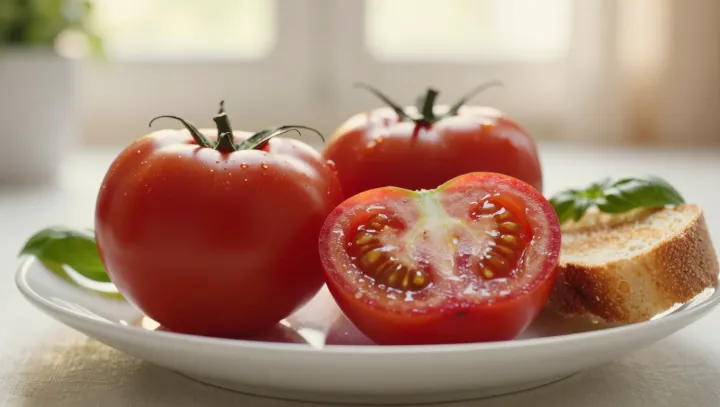
Tomatoes: The Science Behind a Smart Breakfast
A concise look at why fresh tomatoes deserve space on the breakfast table, from lycopene and fiber to metabolic benefits and unexpected culinary versatility.
A concise look at why fresh tomatoes deserve space on the breakfast table, from lycopene and fiber to metabolic benefits and unexpected culinary versatility.
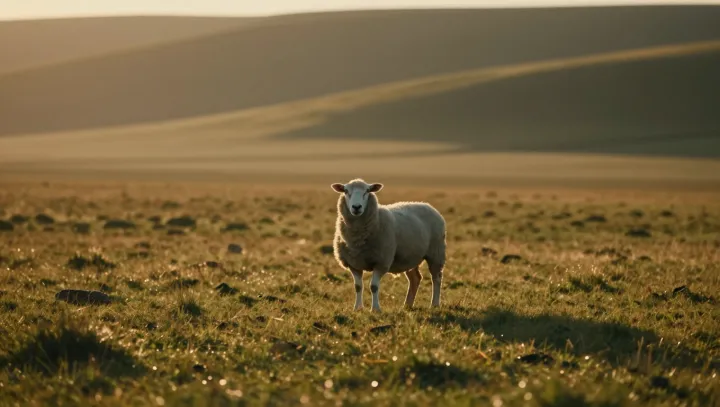
Sheep’s horizontal, rectangular pupils, combined with laterally placed eyes and a specialized retina, create a panoramic, ground‑hugging field of view that helps detect predators early while still preserving useful depth perception.

Top‑tier racing brakes glow red because they convert colossal kinetic energy into heat in milliseconds. Aerodynamic downforce, friction coefficients and heat transfer push discs close to their material limits.
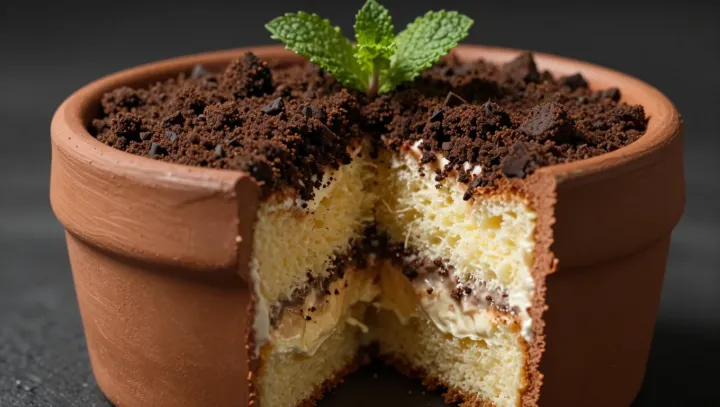
A layered cake is engineered to look exactly like a flower pot, using chocolate soil and edible pot walls to misalign visual perception and taste.

Research on operant conditioning shows adult and senior cats can learn new commands through positive reinforcement. The real constraint is human reward timing, consistency and patience, not feline age or mood.

Arctic foxes locate rodents beneath snow by combining precise auditory cues with Earth’s magnetic field, creating a living guidance system that still puzzles researchers.

Italy’s dense city‑states, imperial legacy, and conservation mindset explain why a small territory holds a disproportionately large share of UNESCO‑recognized cultural heritage.

New studies suggest a cat’s real intelligence lies in social memory: tracking human faces, routines and relationships, then quietly using that data to navigate our shared life.

New observations highlight how German Shepherds use advanced auditory filtering and working memory to decode multiple voice commands in noisy settings, rivaling elite working dogs.
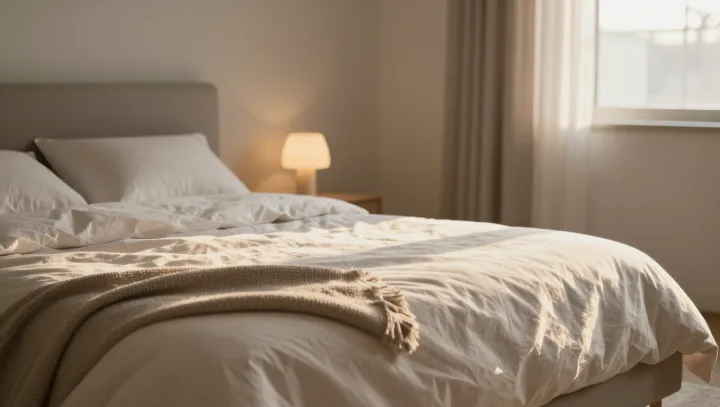
Professional designers often begin a bedroom by removing clutter and calibrating light and thermal comfort, treating furniture as the final layer, not the starting point.
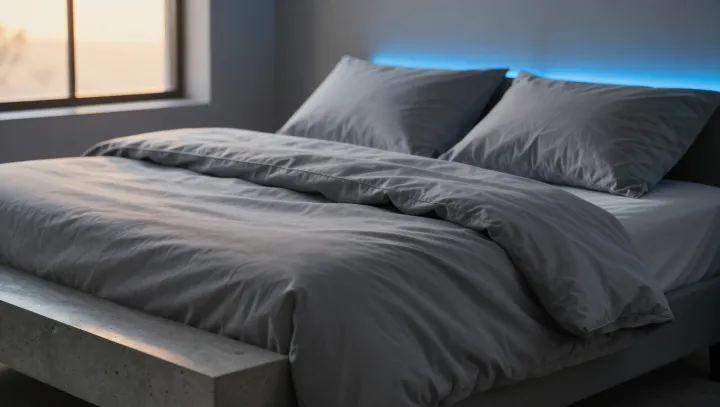
Explores why identical cool grey tones can either sabotage or support sleep, focusing on light temperature, surface texture, contrast ratios and circadian‑relevant details.