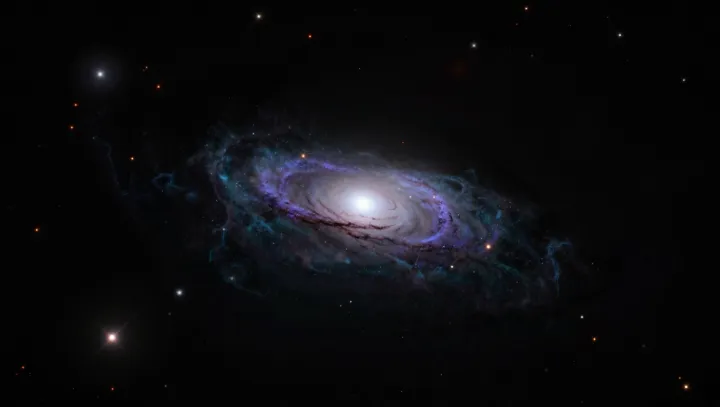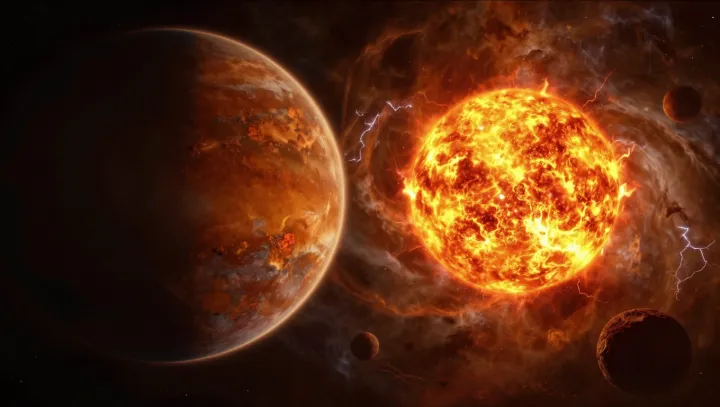
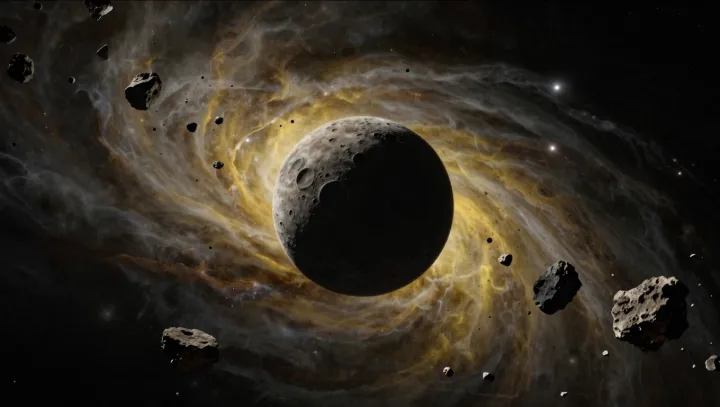
Spacetime geometry, not speed, may be the real lever for crossing the universe. In this view, faster than light travel does not mean outrunning photons; it means redesigning the distance they must cover, so that far points share the same local patch of the cosmic fabric.
General relativity already treats gravity as curvature of spacetime, encoded in the metric tensor that defines how intervals stretch and shrink. The more radical proposal is metric engineering: deliberately sculpting that tensor so the geodesic between two regions collapses. Wormholes and Alcubierre-style warp bubbles live inside this framework, trading raw velocity for controlled deformation of the light cone structure while trying to preserve causality and avoid pathological closed timelike curves.
The challenge is brutally specific: negative energy density, quantum field stability, and the bookkeeping of entropy all stand in the way. Yet reframing propulsion as architecture shifts the research agenda. Instead of asking how to accelerate a starship to impossible Lorentz factors, theoreticians ask how to transiently alter vacuum energy and boundary conditions so that, from the traveler’s perspective, no great journey ever occurs at all.