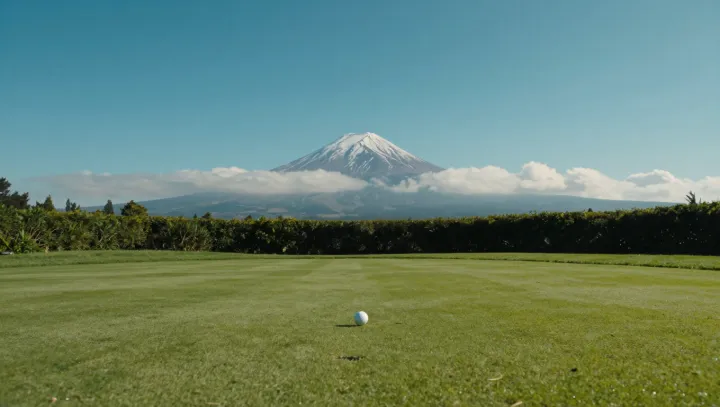
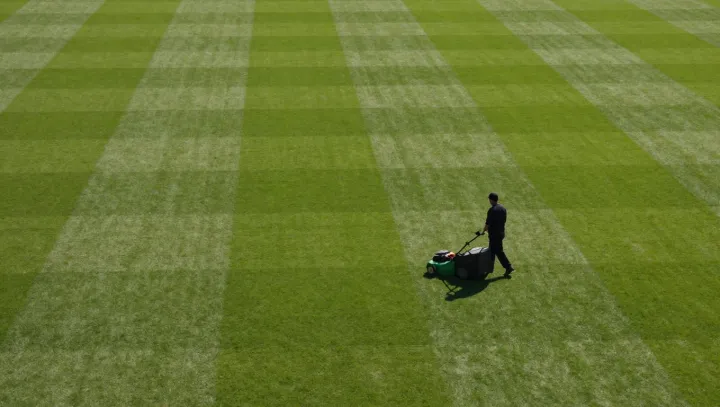
The turf under a golfer’s shoes may do more to shape injury risk than any pre-round stretching routine. Variations in soil compaction, grass density, and surface moisture directly alter ground reaction forces and joint loading with every swing and step across the course.
Sports biomechanics research has shown that harder surfaces increase peak ground reaction force and plantar pressure, especially at the ankle, knee, and lumbar spine. On golf turf, that means compacted, dry fairways can amplify impact shock through the kinetic chain, while excessively soft or uneven lies can drive joint torque and muscle strain as stabilizing muscles fight for balance. Stretching improves range of motion, but it does not change surface stiffness, friction coefficient, or how impact forces are transmitted through cartilage and tendons.
Course design and maintenance decisions therefore become a hidden safety mechanism. Monitoring soil bulk density and shear strength, regulating irrigation, and maintaining consistent grass height can standardize loading patterns across holes and reduce sudden spikes in mechanical stress. For players, reading the lie as carefully as the wind, choosing appropriate footwear traction, and moderating swing intensity on unusually firm or spongy ground can leverage the turf itself as a primary line of defense against overuse injuries and acute strains.