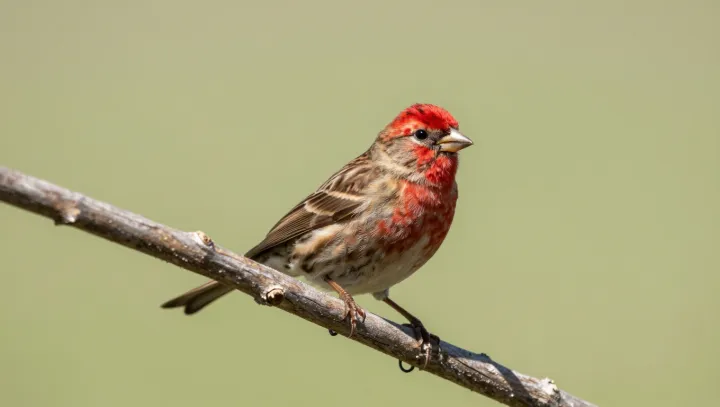
Seasonal plumage shifts in many birds happen without a full feather replacement or any new visible pigments. Instead, the feather itself acts like a tunable optical device. Inside each barb, keratin and melanin are arranged in nanoscale layers and channels that control how incoming light is scattered, absorbed, and reflected back to an observer.
This is structural coloration, not a simple paint job. Tiny changes in the spacing and order of the keratin matrix and melanin granules alter constructive interference patterns, much like adjusting the geometry of a photonic crystal. As abrasion, preening, and micro-wear reshape the outer layers, the effective refractive index profile shifts, driving a gradual transition from cryptic to bright colors without adding new dye molecules.
Hormone swings tied to seasonal cycles modulate feather growth and microstructure during molt, presets that later unfold as the feather weathers. The underlying biophysics respects entropy: the same physical feather moves along a predictable path from one optical state to another as its surface roughens and internal air pockets reorganize. To a human eye, that thermodynamic drift reads as a clean color change, even though the material inventory barely changes at all.