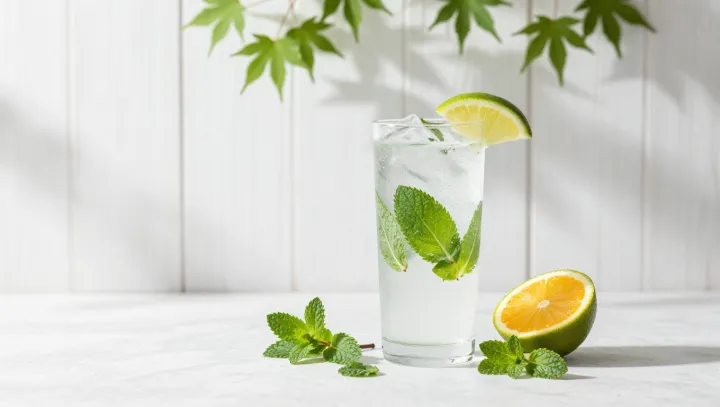
A glass of lemon water can look like the cleanest health habit in the room, yet chemistry tells a different story. Even when you dilute the juice and skip sugar, the drink still delivers a steady acid load to your teeth every time it passes across enamel.
Dental researchers point to pH and enamel demineralization as the core mechanics. Tooth enamel begins to dissolve when exposed to acids below a critical pH, while the underlying dentin becomes more vulnerable as minerals such as calcium and phosphate diffuse out. Lemon juice, even heavily watered down, typically remains in the erosive range, keeping the surface in repeated cycles of demineralization and only partial remineralization from saliva.
Clinicians compare this pattern to a marginal effect curve: one glass does little visible harm, but high frequency and slow sipping extend contact time, pushing cumulative enamel loss higher. Unlike dental caries driven by bacterial metabolism, this is pure chemical erosion, which cannot be reversed once enamel is gone. Using a straw, limiting exposure windows, rinsing with plain water and timing toothbrushing to avoid scrubbing softened enamel are now standard protective advice as lemon water continues its wellness rise.