
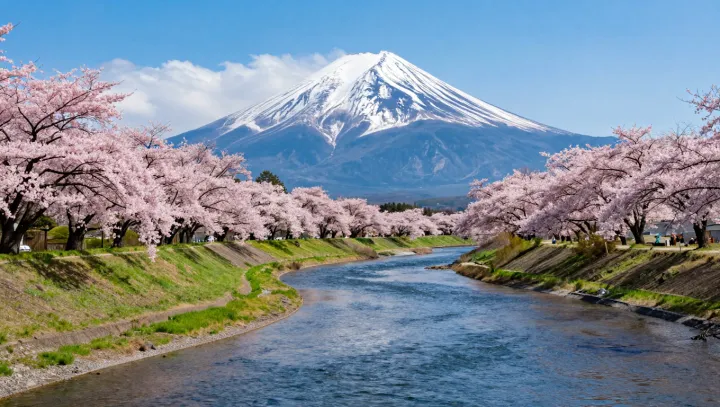
Mount Fuji is not as public as many visitors assume. Above a certain altitude, the volcanic cone is privately owned by a major religious organization, while surrounding slopes and approach routes fall under various public and local jurisdictions through layered property titles and easements.
More striking is how access works. The summit’s owner controls the land, yet long-term agreements with prefectural governments and local authorities keep trails, shrines, and facilities open to climbers, effectively outsourcing day‑to‑day management while retaining underlying title. This hybrid structure blends private property law, cultural heritage protection, and tourism administration into a single governance patchwork that looks orderly only from a distance.
What many take as a national monument is therefore a negotiated space. Fees, seasonal restrictions, and safety rules are set through contracts and memoranda rather than a simple act of state possession, showing how one of Japan’s most recognizable symbols rests on legal arrangements as much as on rock and ash.