

Why Some Sailboats Outrun Their Own Wind
A sailboat can exceed wind speed and appear to sail into it by treating the sail as a wing, exploiting apparent wind, lift, and low drag hull design.
2026-04-20

The Hidden Risk Of Driving Too Slowly
Driving far below a 120 km/h highway flow is not safer; it amplifies speed differentials, rear‑end crash risk, and lane‑change conflicts, making the slow car a moving disruption.
2026-04-20

Ferrari’s Hybrid Secret: Torque, Not Virtue
Ferrari’s SF90-style hybrid system uses electric torque to erase turbo lag and reshape combustion power delivery, expressing the brand’s racing-first engineering mindset.
2026-04-20

When Millimeters Decide Who Survives
Modern car safety hinges on engineered crumple zones that trade controlled metal deformation for human survival, using biomechanics and crash energy management to keep organs within survivable limits.
2026-04-20

The Silent Tire Damage After Two Weeks Parked
Internal tire damage begins long before a visible flat, as static loading, creep, heat cycling and microcracks quietly rewire the rubber from the inside.
2026-04-20

Power Movers And The Discipline Of Fewer Choices
Influential power movers deliberately delete routine choices to conserve cognitive resources, reduce decision fatigue, and maximize strategic leverage over what truly moves the needle.
2026-04-20

From Survival Hulls To Weekend Bluewater
The piece tracks sailboats from fuel‑free wooden explorers to fiberglass bluewater yachts, driven by new materials, hydrodynamics, safety systems and training standards.
2026-04-20

Why a Yacht Works Like a Social Lab
A yacht can function as a controlled social laboratory, where isolation, shared tasks and fixed routines recalibrate social bonds and deepen relationships with scientific precision.
2026-04-20
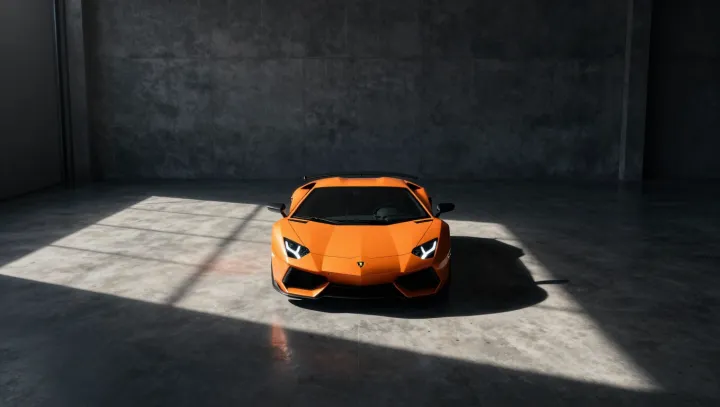
Why Supercars Sit Shockingly Close to Asphalt
High-performance sports cars sit extremely low not for drama but to lower center of gravity, reduce weight transfer, and boost aerodynamic downforce and lateral grip.
2026-04-17
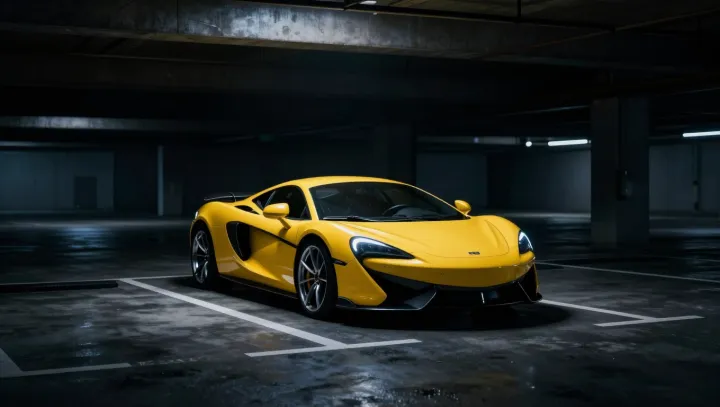
Why Cheap Sports Cars Feel More Alive
A light, low‑power sports car can hit its performance envelope on public roads, engaging more mechanical grip, feedback and driver skill than an overpowered supercar that idles far below its limits.
2026-04-17
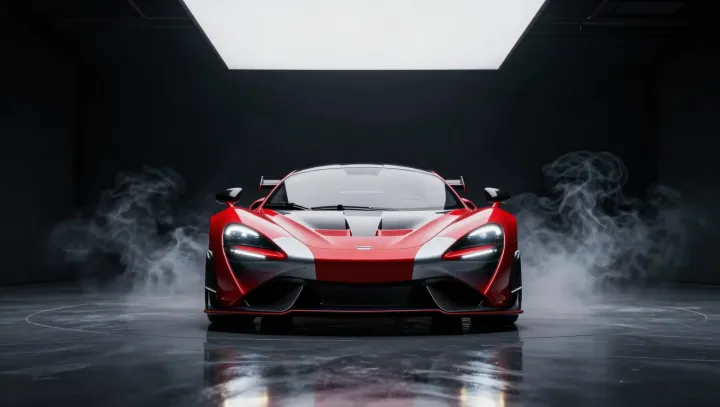
Toyota’s GT4 Concept Rethinks Lap Time
Toyota’s GT4 concept pursues quicker laps through real‑time control of grip, drag and energy, using vehicle dynamics and thermodynamics instead of more horsepower.
2026-04-17
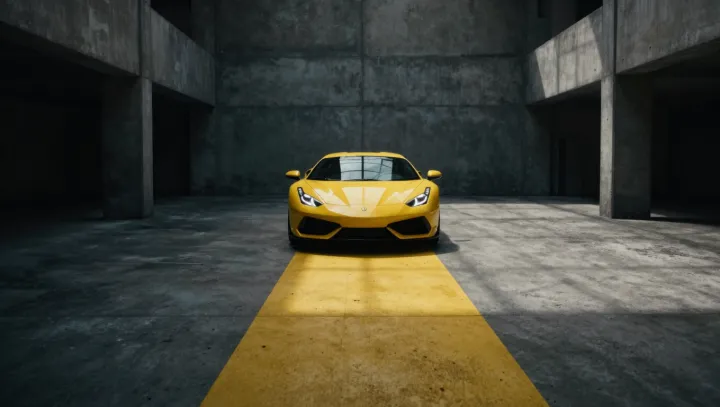
How Budget Sports Cars Stay Fast And Frugal
Modern budget sports cars combine downsized turbo engines, advanced combustion control, lightweight platforms and durability testing to deliver real‑world speed with sedan‑level efficiency and reliability.
2026-04-17
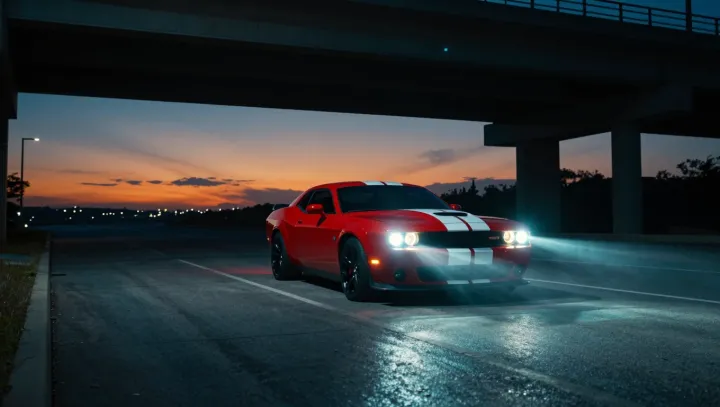
Why Cars Think Hard Yet Miss Traffic Jams
Modern cars run powerful onboard computers yet still fail at reliably predicting traffic jams, because that task depends less on raw processing power and more on messy, incomplete data and complex human behavior.
2026-04-15
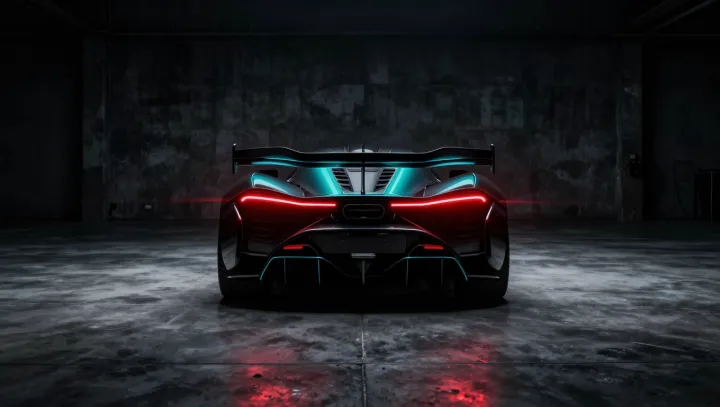
Why Cars Pack Gaming-Class Computers
Modern cars carry powerful computers to manage safety, emissions and connectivity, even though drivers rarely use the full performance or assistance systems those chips enable.
2026-04-15
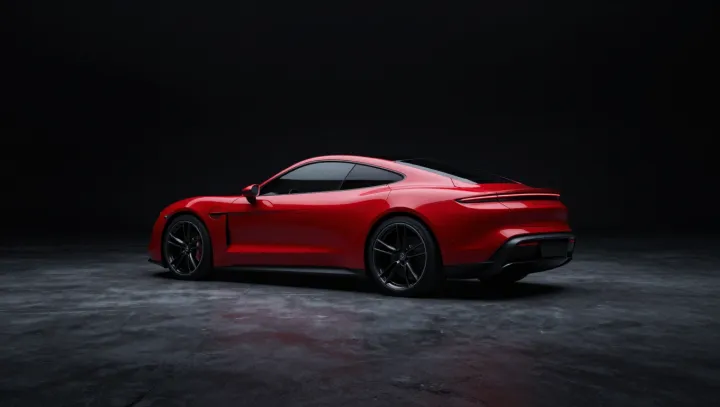
Why cars are built to crumple on impact
Modern cars are designed with crumple zones that sacrifice rigid metal to slow deceleration, protect the cabin and work with airbags and seatbelts to cut fatal forces on the body.
2026-04-16
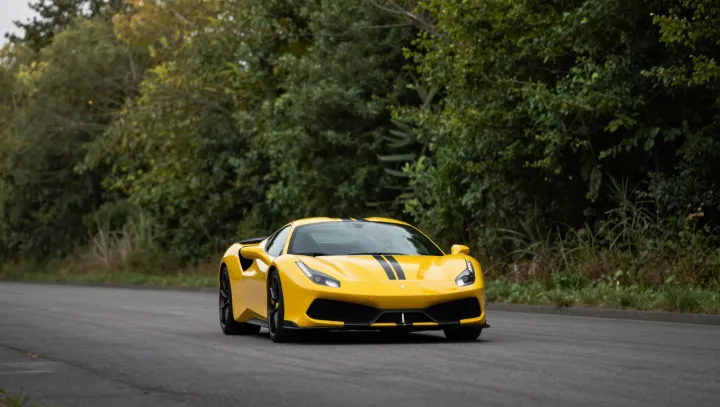
Why Today’s Cars Crush Easily Yet Keep You Safer
Modern cars deform and lose visible damage battles to old ‘tanks’, yet their crumple zones, restraints and energy management make crashes far more survivable.
2026-04-15
Why Cars Are Built To Destroy Themselves
Modern cars use crumple zones and a rigid safety cell to turn structural destruction into controlled deceleration that protects occupants in a crash.
2026-04-15
When Your Car Ignores You To Save You
Modern cars override steering and braking in emergencies using sensor fusion, control loops and safety protocols, not humanlike thought.
2026-04-15
Why car engines need gaming‑grade chips
Modern cars use gaming‑class computing to control combustion, safety, connectivity and autonomy, turning the engine bay into a data center on wheels.
2026-04-13
Your Brakes Are Burning Your Fuel
Most fuel energy in cars dies as brake heat. Regenerative systems tap kinetic energy, convert it to electrical energy, and reuse it for propulsion, cutting losses and boosting efficiency.
2026-04-14