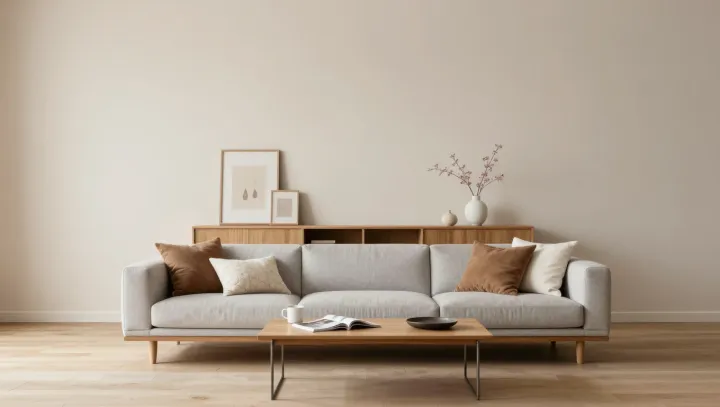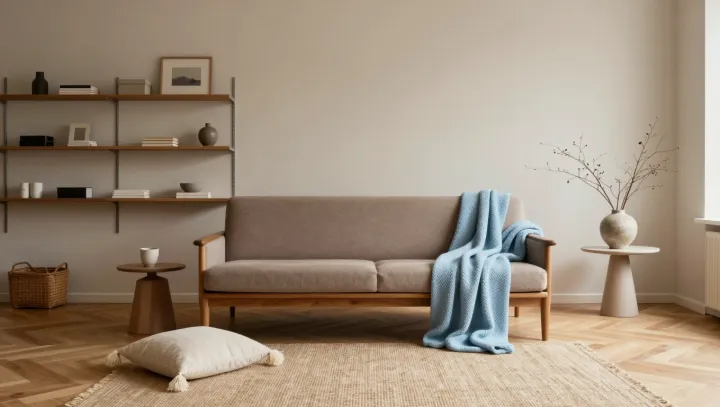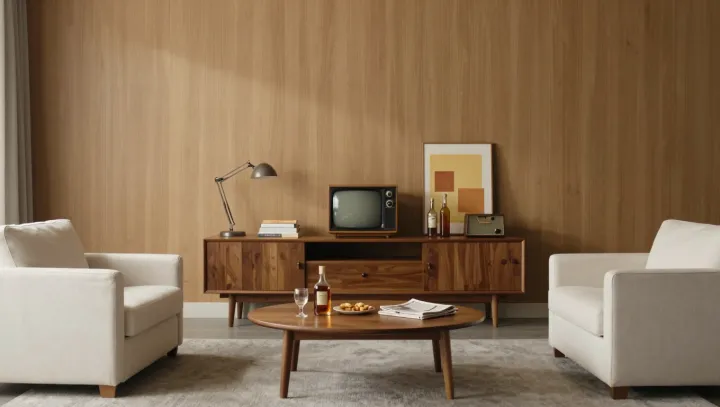
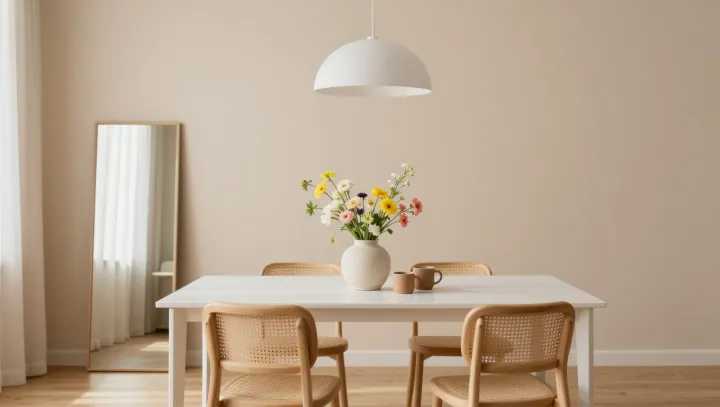
A 247 m² home running on just nine pieces of furniture sounds like a design stunt, yet it functions as a live experiment in how space and stuff shape the mind. Every surface is either a working platform or a circulation zone; there is no decorative filler, no “just in case” chair, no side table waiting for clutter.
Environmental psychology treats each object as a stimulus that the brain must register, categorize, and ignore, adding to cognitive load and, over time, decision fatigue. By compressing beds, seating, and storage into a few multiuse volumes, the home reduces the number of visual cues the prefrontal cortex must constantly filter. Fewer edges, colors, and object categories mean less attentional switching and lower mental entropy, even as the square meters remain generous.
The layout borrows more from systems engineering than from decor. One dining table becomes office, workshop, and social hub, enforcing a single behavioral script instead of three competing ones. Built-in storage hides micro-choices about where to drop keys, mail, or cables, limiting the daily micro-optimization that normally taxes executive function. The result is not an empty box but a high-bandwidth interface between body and space, where the constraint on furniture becomes a quiet constraint on mental noise.