
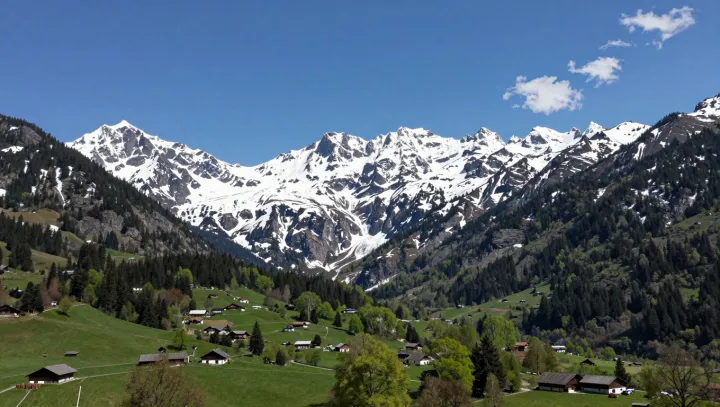
Morning light on Bipenggou falls not on glass towers but on prayer flags, timber houses, and stone watchtowers that still anchor daily life. This remote green valley operates as a living archive because the pace of change, the entropy of urban expansion, has not fully reached it, allowing Tibetan and Qiang customs to remain embedded in ordinary routines rather than staged performances.
Here, language survives not as a museum label but as the medium of trade, gossip, and lullabies. Seasonal rituals map onto the landscape like a social topography: pastures double as ceremonial grounds, and forest paths are also pilgrimage routes. While cities often compress identity into branding and spectacle, Bipenggou’s marginality functions as a kind of cultural insulation, slowing the marginal effect of outside markets and mass tourism on local decision-making.
Craft traditions, from carved beams to woven textiles, are still transmitted through apprenticeship at the household scale, rather than through short workshops designed for visitors. Religious practice is folded into agriculture and herding cycles, so that offerings, chants, and processions follow the same calendar as transhumance. In this way, the valley turns everyday labor into a continuous record of Tibetan and Qiang worlds that elsewhere risk existing only in archives and nostalgic memory.