
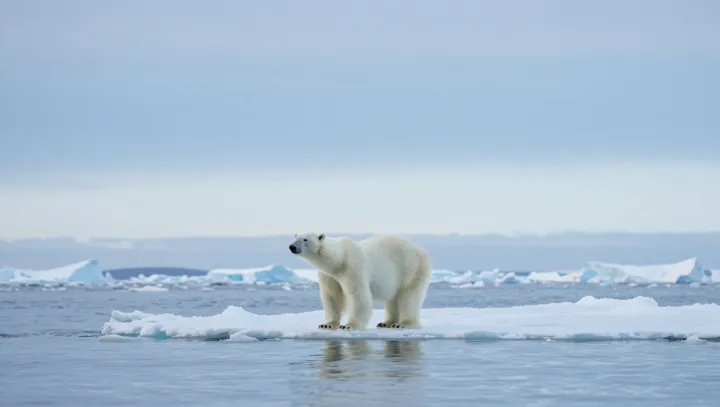
The Polar Bear That Infrared Cannot See
Polar bears look white but vanish in infrared because hollow fur and dense blubber trap heat, keeping the outer surface close to snowy surroundings.
2026-04-21
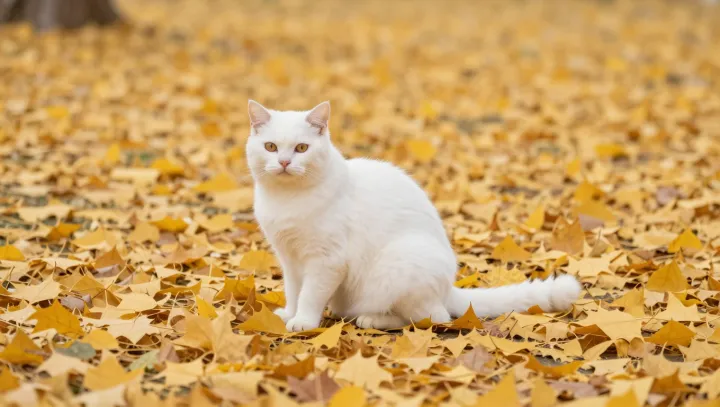
The Cat, The Fence And The Treacherous Leaf Pile
A cat that glides along narrow fences hesitates on leaf piles because soft, sinking ground scrambles its balance sensors and signals a hidden risk of escape‑speed failure.
2026-04-20
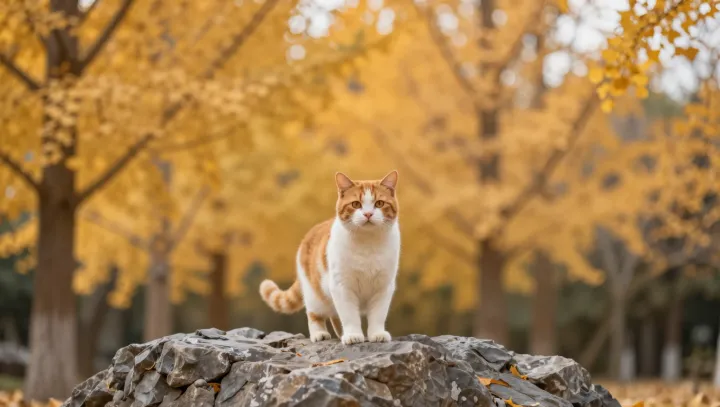
Your cat’s secret 3D war room
From high perches, a cat builds a silent 3D security map, using grid and place cells, optic flow, and vestibular input to script every stalk, pounce, and escape.
2026-04-20

The Heron That Walked Off The Water
The cattle egret abandoned fishing because grazing mammals offered a richer, safer insect supply, pushing morphology, behavior and migration to favor dry land hunting.
2026-04-20
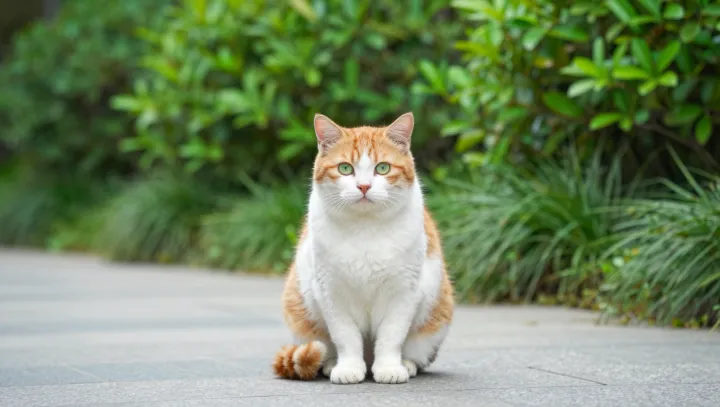
Inside the Cat’s Rotating Radar Ears
Cats run a miniature acoustic targeting array in each ear, using 32 muscles, movable pinnae, and neural gating to isolate a single insect chirp inside noisy soundscapes.
2026-04-20
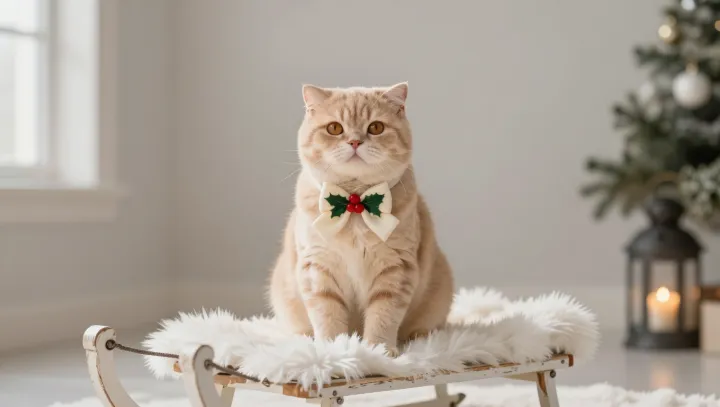
Why Orange Cats Keep Winning the Internet
A coat-color mutation in cats links to behavior, with research hinting that orange cats skew bolder and more social, helping them dominate online culture.
2026-04-20
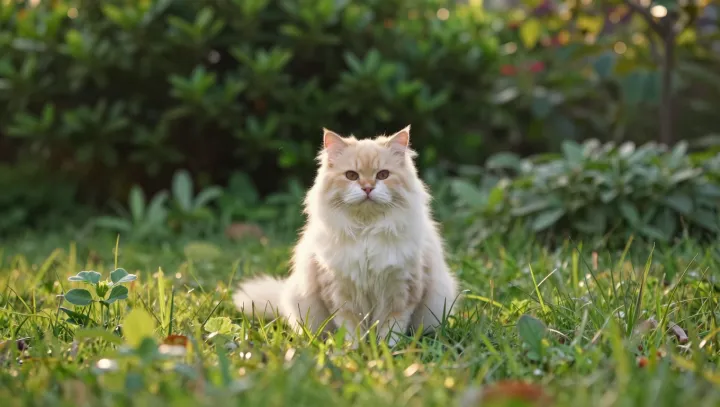
Your Cat’s Meows Might Be a Hidden Code
New research suggests that small, repeatable changes in pitch and rhythm in cat meows can encode hunger, stress or mild pain, hinting at a structured vocal system humans rarely notice.
2026-04-20
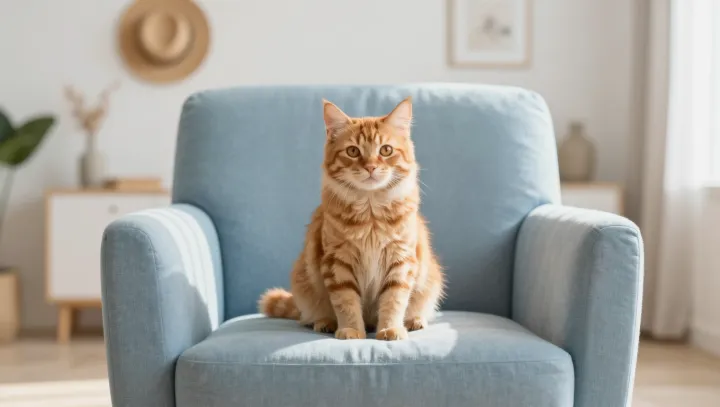
Why Working Cat Breeds Love To Cuddle
Many of the most affectionate cats descend from working breeds. Human selection for cooperation, stress tolerance and sociability hard‑wired them for cuddling, even after the jobs disappeared.
2026-04-17
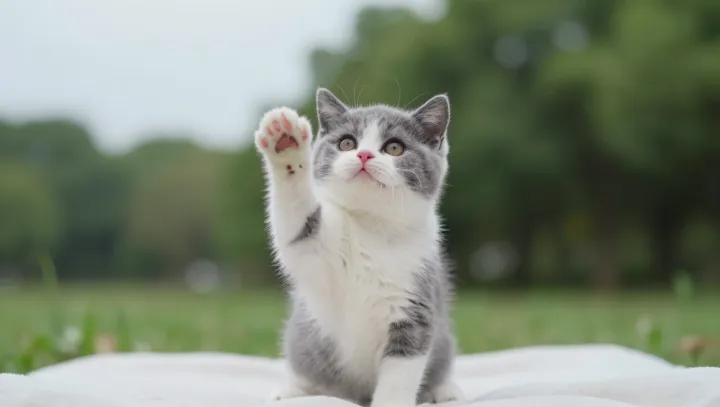
Why American Shorthairs Feel Effortless
Explores how American Shorthair genetics, metabolism, and temperament create a calm, robust, low‑maintenance profile that makes shelters treat them as an ideal entry‑level cat.
2026-04-17

The Adorable Mammal That Outkills Sharks
Sharks terrify swimmers, yet a tiny dose of medically studied venom from a beloved mammal sends far more people to hospitals and the grave.
2026-04-17
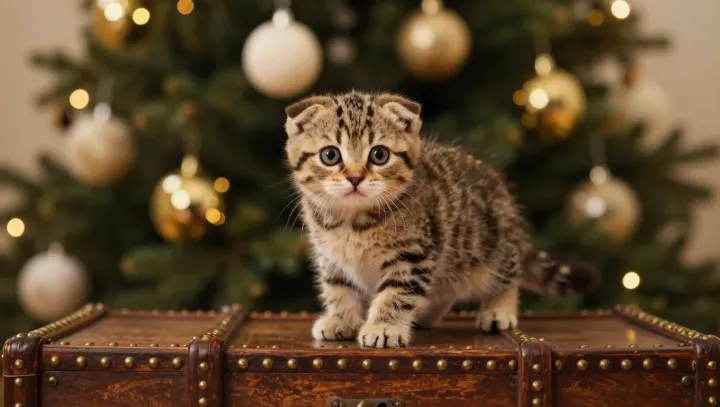
Why Your Cat Sprints At 3 A.M.
New research frames feline night zoomies as an evolution-tuned hunting schedule, synced to prey activity and a predator’s metabolic sweet spot.
2026-04-15
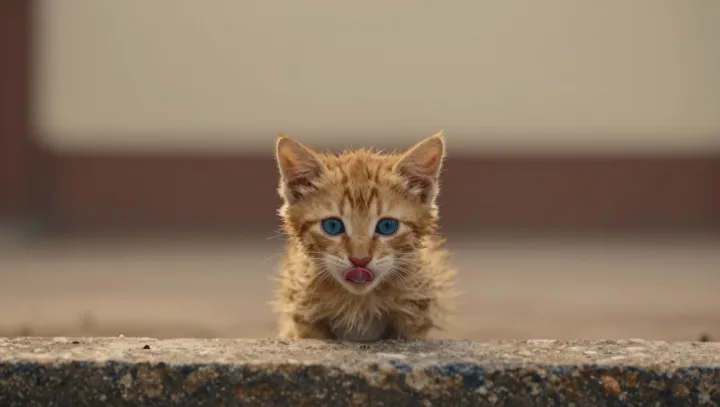
The Silent Design Rules Shaping Your Cat
Litter texture, bowl shape and placement work like hidden regulators of a cat’s stress, appetite and elimination, often outweighing toys and treats in daily wellbeing.
2026-04-15
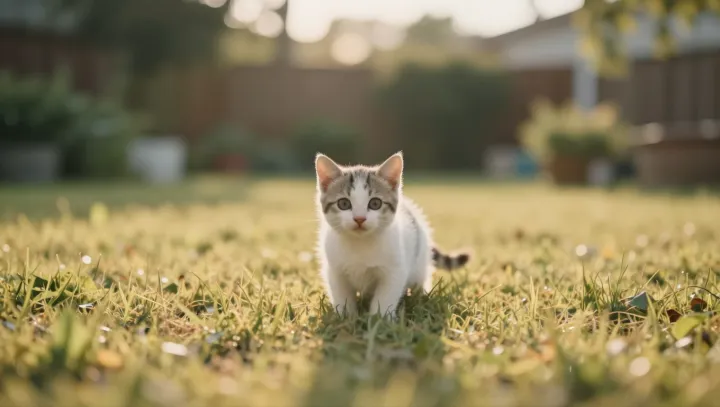
The Unsexy Habit That Shapes Your Cat
Early litter box management and stress control reshape a kitten’s gut, hormones, and behavior, often more than food or toys, locking in health patterns that last for life.
2026-04-16
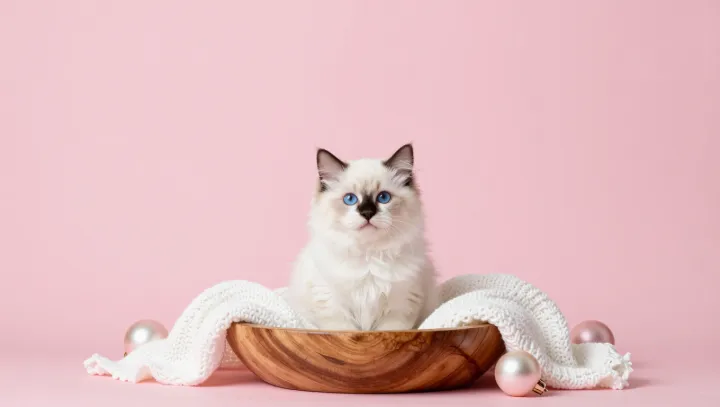
The Fairy-Tale Cat Built By Selective Breeding
Ragdoll cats’ dreamy, floppy calm is a product of selective breeding that dampens fear responses, creating highly affectionate companions but also making them more vulnerable without human supervision.
2026-04-16
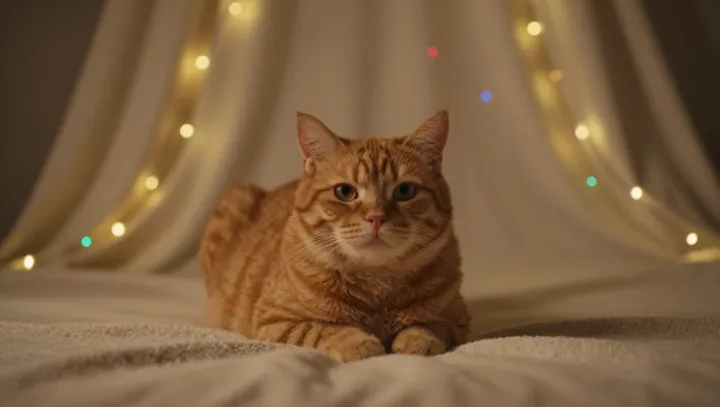
Why Shelter Mutts Often Outperform Purebred Cats
Mixed-breed shelter cats often benefit from heterosis, lower inbreeding coefficients, and broader behavioral repertoires, making them biologically resilient and easier to integrate into homes.
2026-04-16
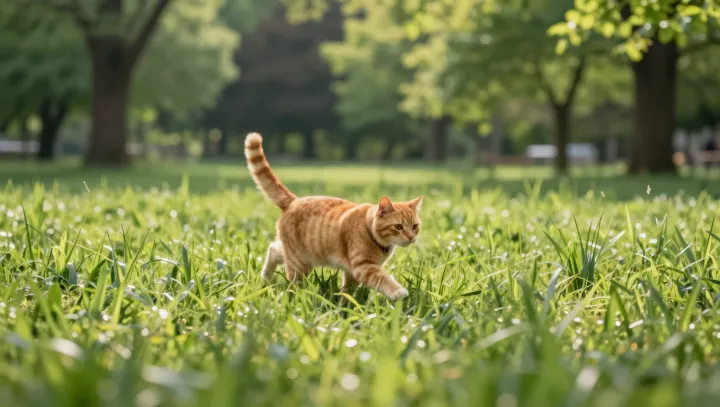
The Hidden Cost Of Raising Cute Kittens
Sphynx, Bengal and Persian kittens look irresistibly cute yet demand intensive healthcare, climate control and grooming that can overwhelm first‑time owners.
2026-04-15
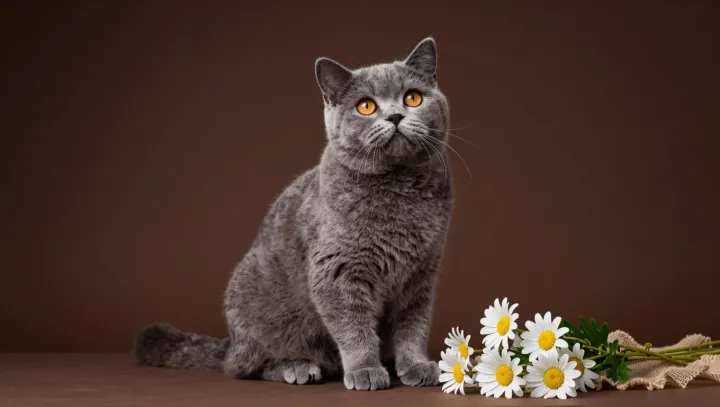
How To Speak Cat Without Saying A Word
Emerging research suggests humans can gain a cat’s trust by copying subtle feline social signals such as slow blinks, lateral approaches and scent‑based communication.
2026-04-15
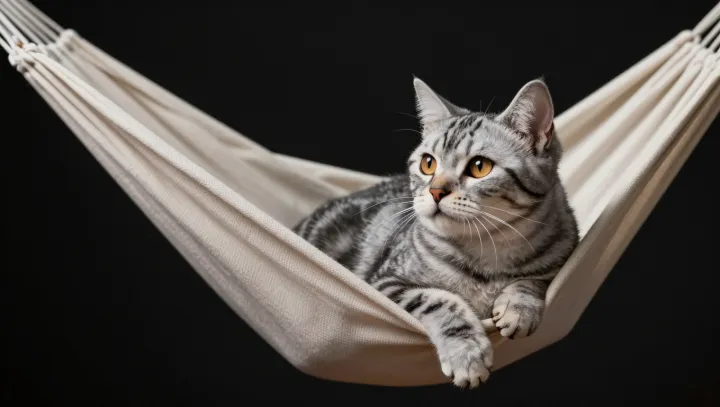
Why Allegedly Rare American Shorthair Coat Colors Are Quite Common
Five rare-looking American Shorthair coat colors all arise from the same tabby pigment chemistry, reshaped by a handful of genetic switches and pattern modifiers.
2026-04-13
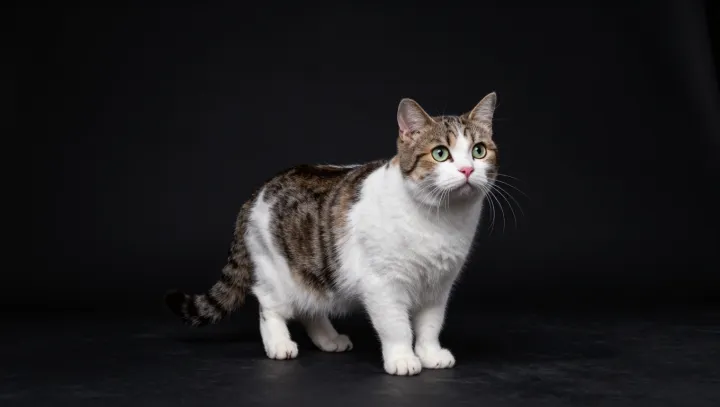
Your cat is not purring for its human
New insights suggest cats purr, blink and rub on humans using the same social rules they apply to other cats, classifying owners as safe companions when signals match.
2026-04-13
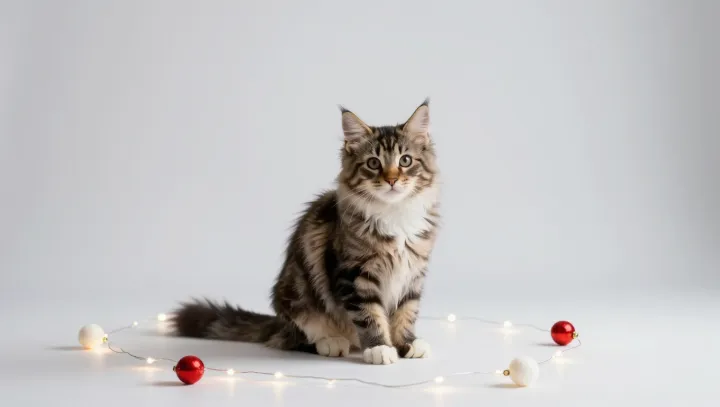
Why Bleach Smell Sends Some Cats Into Overdrive
Some cats react to bleach and disinfectant because chlorine compounds mimic feline sex and territory molecules, activating vomeronasal receptors and brain reward circuits similar to catnip.
2026-04-14