

Turner’s Sky Before the Science
Turner’s handling of light and color in ‘Folkestone Harbour and Coast to Dover’ aligns with modern atmospheric optics, from Rayleigh scattering to aerosol-driven diffusion.
2026-04-21

When Buildings Hack Your Sense of Beauty
Buildings operate as silent behavioral devices, using glass, light, and pattern repetition to condition what passersby classify as beautiful without conscious consent.
2026-04-21

The Hidden Chemistry Of Identical Candles
Candles that appear identical can emit sharply different emissions, with paraffin producing diesel-like particles and beeswax releasing plant-resin-style compounds.
2026-04-20

Why Your Safest Mug Is Hardest To Clean
Chemically inert ceramic mugs resist reacting with drinks, yet their porous glaze and surface energy lock in pigments and oils, making stains stubborn at a microscopic scale.
2026-04-20

Why Nordic White Vases Calm the Busy Brain
Minimalist Nordic white vases reduce visual entropy and cognitive load, letting core brain networks relax while still processing the same physical light as colorful, ornate objects.
2026-04-17
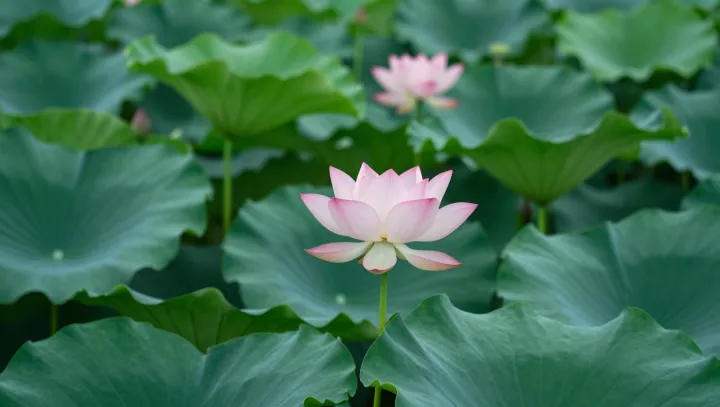
The Quiet Physics Hack Behind Lotus Leaves
The lotus exploits fluid dynamics, thermogenesis and plant cuticle chemistry to keep leaves clean and flowers warm, reshaping life in stagnant, muddy water.
2026-04-17

Why A Silicone Cup Feels Cool With Boiling Water
A food‑grade silicone collapsible cup stays cool because silicone is a poor thermal conductor, has specific heat capacity and thickness that slow heat transfer, and its flexible walls reduce contact and convection.
2026-04-15
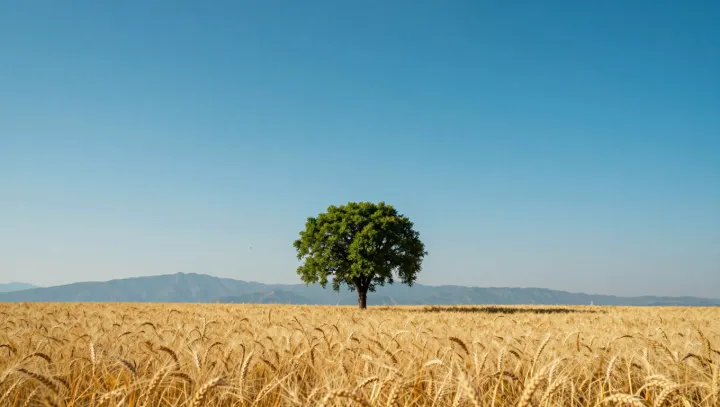
The Ancient Tree That Behaves Like a Forest
A single ancient tree can spread by cloning its roots and stems, forming a forest of genetically identical trunks that function as one organism and host distant migratory birds.
2026-04-15
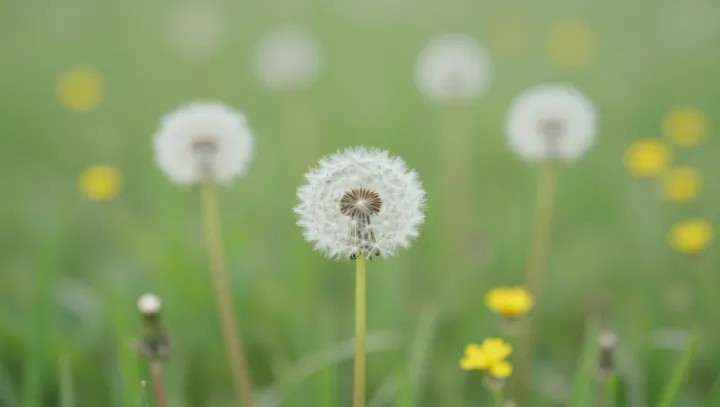
Why a “weed” like dandelion may protect your liver
Dandelion, long dismissed as a lawn weed, contains clinically studied compounds that may support liver function and help regulate blood sugar through antioxidant and metabolic pathways.
2026-04-15

When Lighthouse Beams Became Language
The piece traces how crude coastal bonfires evolved into engineered lighthouse optics and coded flash patterns that both guided ships and silently recorded maritime disasters.
2026-04-15
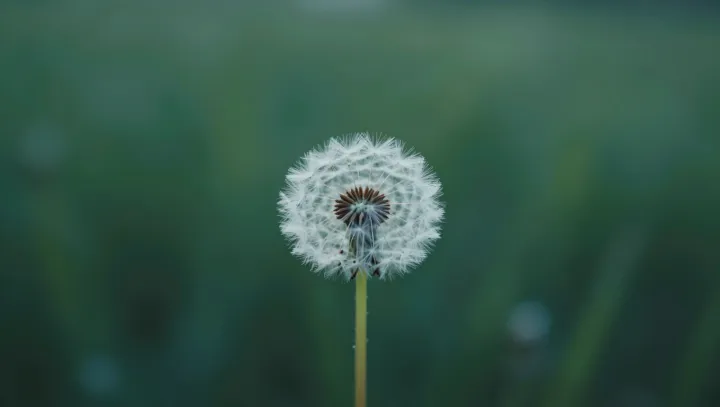
Why Roasted Dandelion Smells Like Coffee
Roasted dandelion roots mimic coffee aroma through Maillard reaction and caramelization, creating complex volatile compounds while remaining naturally caffeine‑free.
2026-04-16

Monet’s Flower Bed As A Light Laboratory
Monet used a village flower bed as a living laboratory, painting it under changing daylight to probe how color perception mutates with every shift in illumination.
2026-04-15
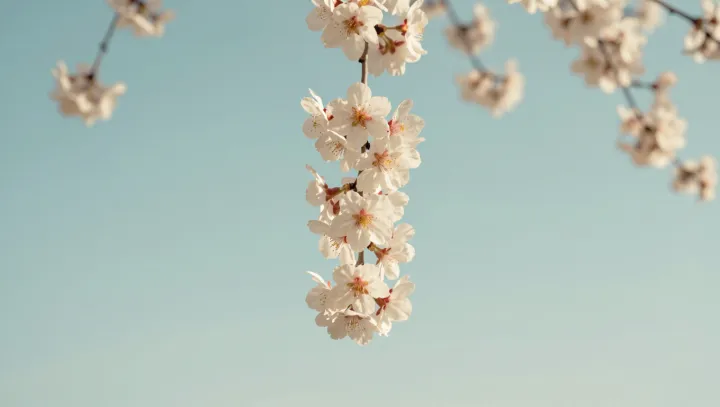
Cherry blossoms: from breeding to big business
Cherry blossoms emerged from long selective breeding, now drive tourism and horticulture markets, stabilize soils, and provide data for climate research through phenology records and genetic studies.
2026-04-15
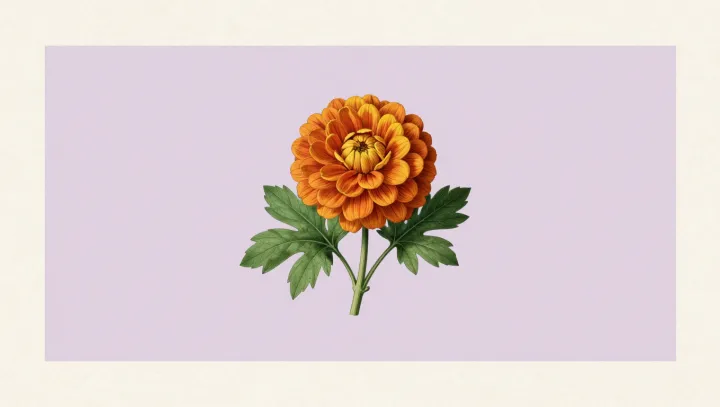
How Ranunculus Broke the Buttercup Mold
Selective breeding turned a simple buttercup relative into the multi-layered ranunculus, giving botanists a model for how small genetic shifts can radically alter floral form.
2026-04-13
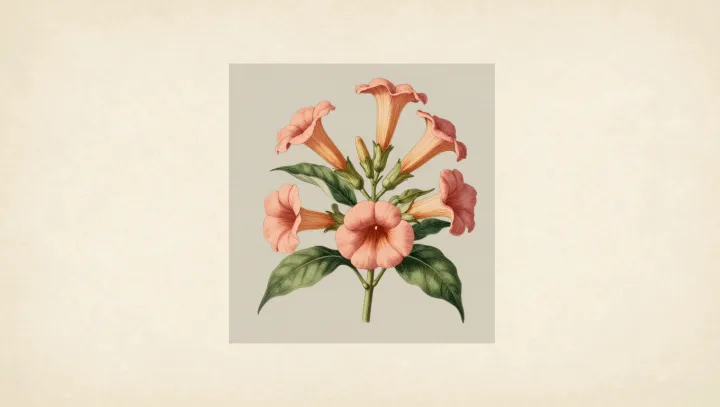
Wildflower Petals That Work Like Runways
New research reveals that a Chilean wildflower evolved speckled and streaked petals that act as visual runways, exploiting insect vision and natural selection to boost pollination efficiency.
2026-04-14
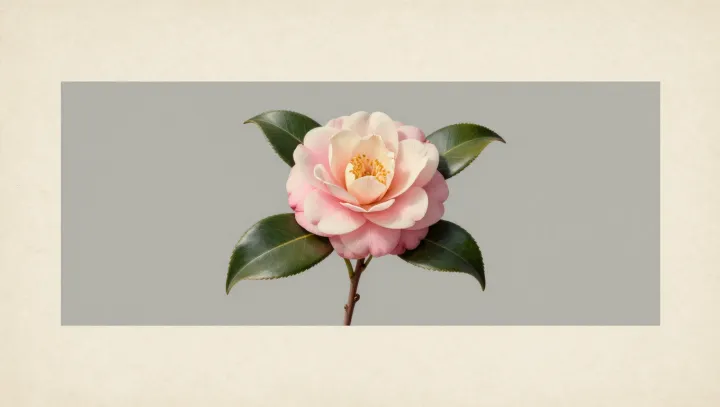
How One Camellia Shaped Tea And Gardens
A single forest shrub, Camellia sinensis, evolved into both a global caffeine crop and a prized ornamental, driven by leaf chemistry, selective breeding and trade.
2026-04-14
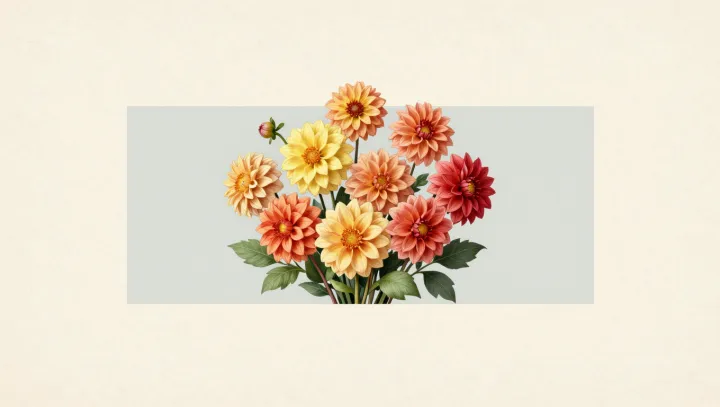
How Dahlias Became Geometry in Bloom
The dahlia’s journey from a modest Mexican wildflower to a geometric showpiece traces how long-term selective breeding reshaped one species without crossing its genetic boundary.
2026-04-14
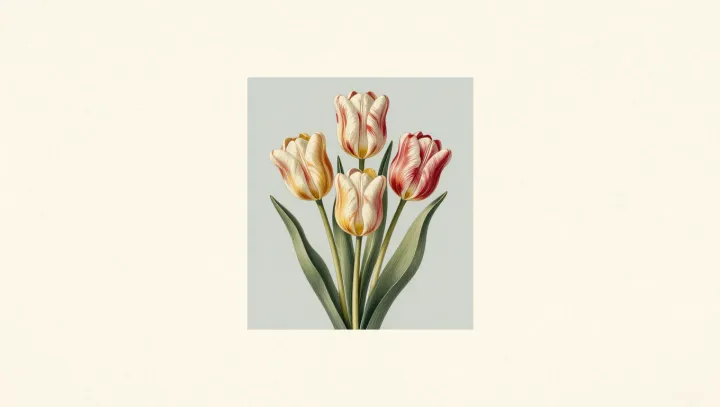
How Tulips Fell From Financial Icon To Yard Staple
Tulips moved from luxury asset in a speculative bubble to a common bedding plant as breeding, viral tolerance and global bulb production lowered risk, price and status.
2026-04-14
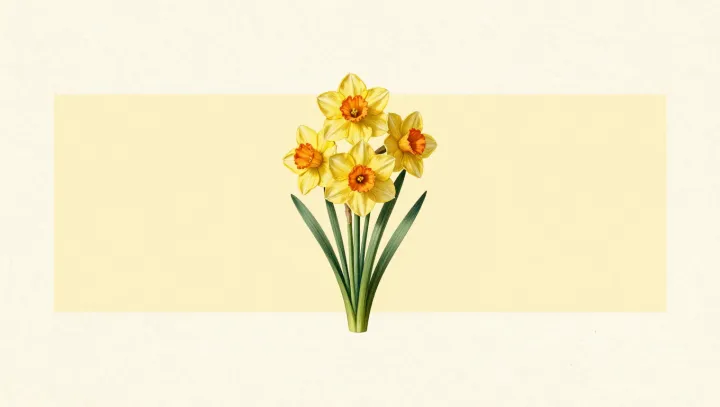
Toxic bloom: the paradox of the daffodil
A toxic wildflower from the Atlantic fringes of Europe evolved into a mass‑market symbol of spring, even as every part of the plant carries potent chemical defenses.
2026-04-15
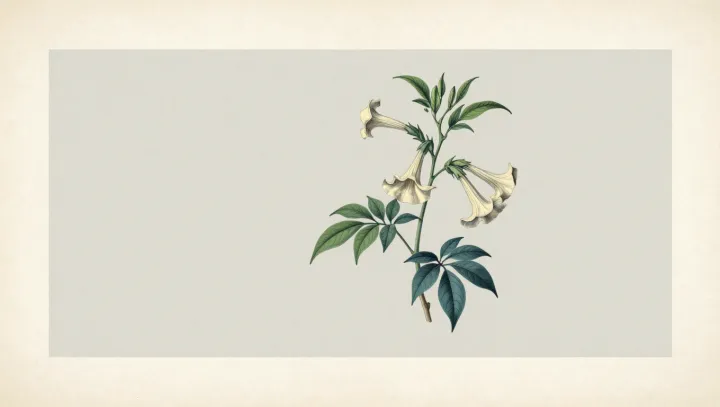
The Tibetan flower that hacks animal nerves
A high‑altitude Chinese flower evolved potent nerve‑active chemicals that hijack ion channels and neurotransmitters, turning grazing animals into the selective pressure that shaped a textbook plant defense.
2026-04-15