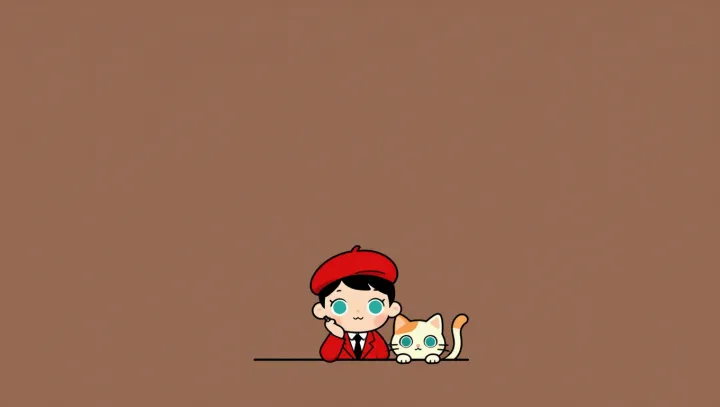
A palm‑sized vinyl figure with an almost vacant stare now anchors one of the most profitable toy brands selling to adults. Pop Mart has built a billion‑dollar business on this character archetype, turning a static face into a system for harvesting attention, loyalty, and discretionary income from stressed urban consumers.
The transformation rests on a few precise levers. First is the blind box format, which weaponizes variable ratio reinforcement, the same reward schedule used in slot machines. Every sealed box encodes uncertainty, and that uncertainty keeps the prefrontal cortex negotiating with the limbic system over whether to buy just one more. Second is scarcity design: limited runs, hidden “secret” figures, and rotating collaborations create artificial entropy in the catalog, making older series feel irretrievable and therefore more desirable. The blank expression itself functions as an emotional Rorschach test, allowing adults to project exhaustion, irony, or nostalgia without friction.
Around the figure, Pop Mart runs a full stack of monetization infrastructure. Offline flagship stores and vending machines convert casual foot traffic into micro‑purchases, while social media communities close the loop by turning collecting into performance and status. Marginal cost per unit stays low thanks to standardized molds and licensing economics, but perceived value climbs as sets complete and resale markets emerge. In effect, the company has engineered a durable moat from something that barely emotes at all: a tiny, mute avatar that mirrors the feelings its buyers cannot easily name out loud.