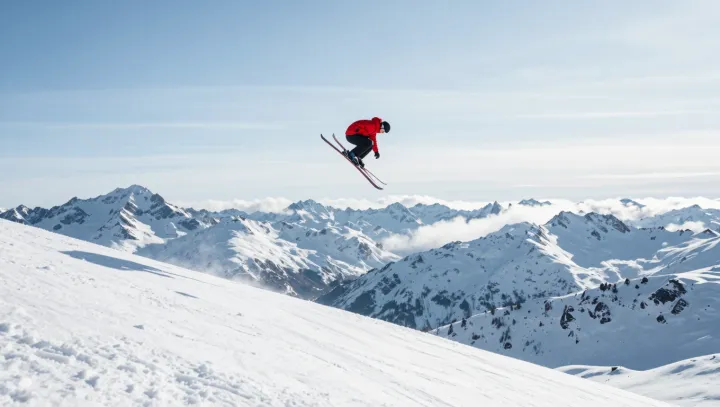
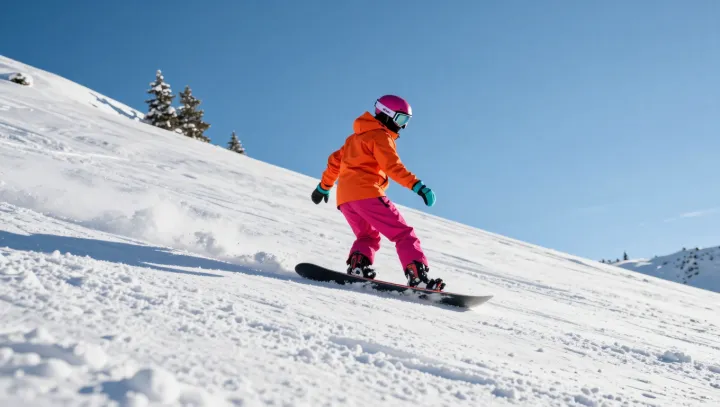
On a crowded ski slope, survival starts with an invisible bubble. Every rider carries a shifting zone of personal space that stretches downhill, compresses in lift lines and tilts toward whatever direction gravity and momentum will take them next.
Safety experts describe this as a form of continuous risk assessment, closer to air-traffic separation than casual recreation. Instead of judging only current distance, aware riders model trajectories, relative velocity and stopping distance, making rapid predictions about where each person’s bubble will be in the next few heartbeats. Concepts like reaction time and kinetic energy turn into practical rules: if another skier’s potential path slices through your projected bubble, you adjust speed, angle or line before danger becomes visible impact.
This bubble thinking also exploits basic human factors research. Peripheral vision, depth perception and limits in cognitive load mean riders can safely track only a handful of moving objects. The safest do not try to monitor everyone; they prioritize the nearest and fastest threats, then widen the bubble when visibility or snow conditions degrade. Resorts can nudge this behavior by shaping runs, signage and slow zones to make those invisible bubbles easier to imagine, turning personal space into the primary safety system on the mountain.