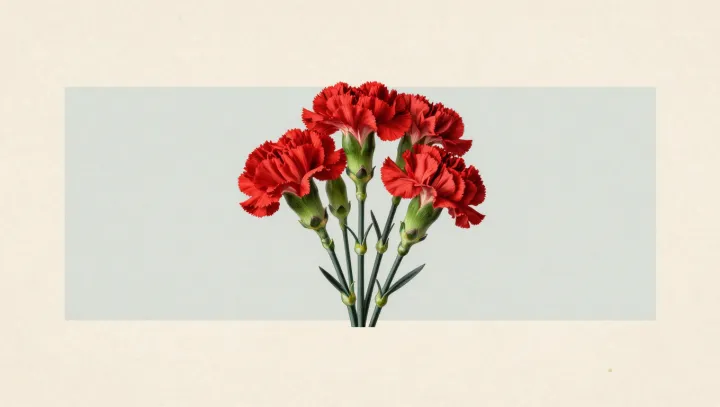
The carnation on a kitchen table is not just a symbol of fragile affection; it is a veteran of heat and drought. Its legendary vase life is an accidental dividend of a Mediterranean playbook built to manage water scarcity and intense sunlight.
In its native dry habitats, the carnation evolved dense, waxy cuticles and narrow, bluish leaves that minimize transpiration, plus a root and stem system optimized for maintaining turgor pressure when soil moisture collapses. Those same structures slow water loss once the stem is cut and placed in a vase, acting as a mechanical buffer against wilting. At the cellular level, robust control of cellular respiration and efficient antioxidant defenses limit oxidative damage in petals, keeping tissues functional long after more lush, rainforest‑origin flowers have failed.
The plant also runs a strict hormonal regime. Low baseline sensitivity to ethylene, the ripening and senescence hormone, delays programmed cell death in floral tissues. Proteins involved in osmotic adjustment stabilize vacuoles and membranes during water stress, so the flower can rebound after brief dehydration instead of collapsing. What began as a survival strategy on rocky, sun‑blasted slopes now functions as a biological insurance policy in domestic vases, translating ecological resilience into the cultural currency of long‑lasting blooms.