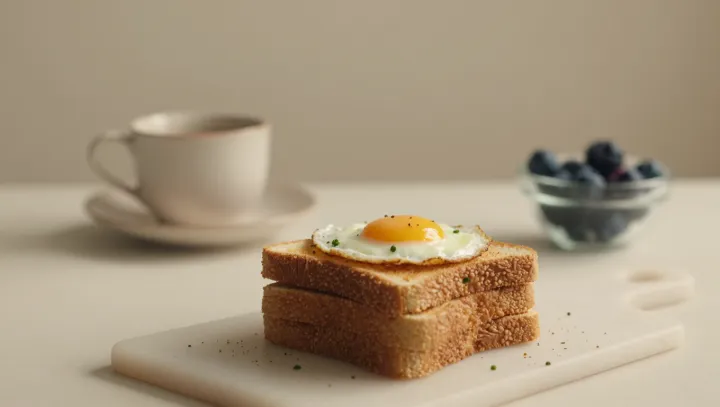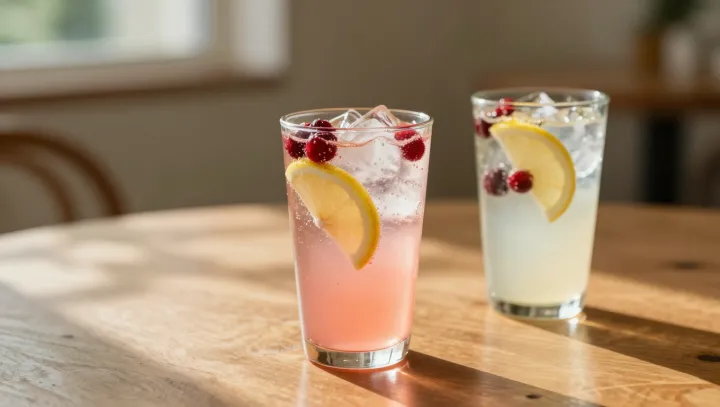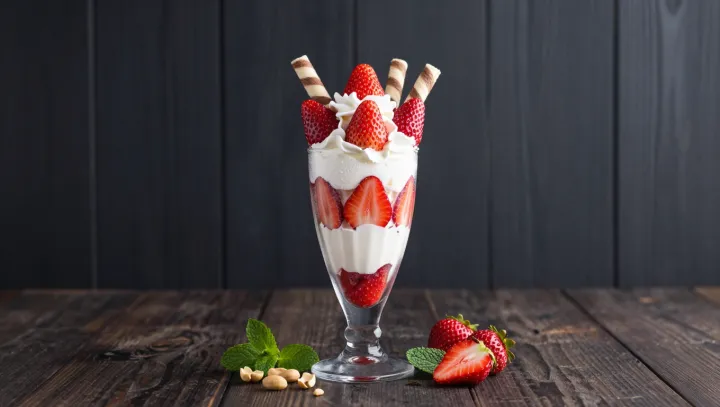
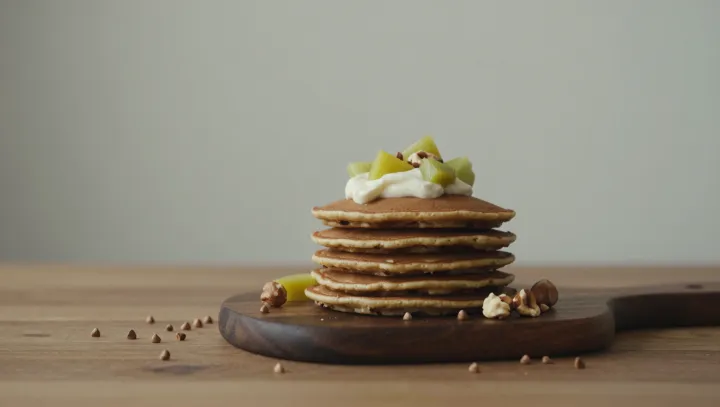
A perfect dessert on a white plate can make the human brain light up more than a virtual jackpot on a lab screen. Brain‑imaging studies show that visual aesthetics, not just sugar and fat, recruit the dopaminergic reward system long before digestion begins.
The effect rests on how the ventral striatum and orbitofrontal cortex compute reward prediction error. A well‑plated tart signals order, care, and rarity; it compresses uncertainty into a precise, high‑value cue that spikes dopamine release beyond what basic calorie intake would justify for maintaining basal metabolic rate. By comparison, abstract lottery simulations lack texture, smell, and context, so they deliver narrower sensory input and weaker associative learning.
Evolutionary pressures likely tuned this circuitry to treat pattern, symmetry, and craftsmanship as proxies for safe, nutrient‑dense food and valuable social alliances. The same neural machinery that responds to entropy reduction in a patterned scene also links a meticulous dessert to status, hospitality, and belonging. Beauty becomes added marginal utility layered on top of macronutrients, so the brain pays a chemical premium for presentation even when the body only needs the calories.