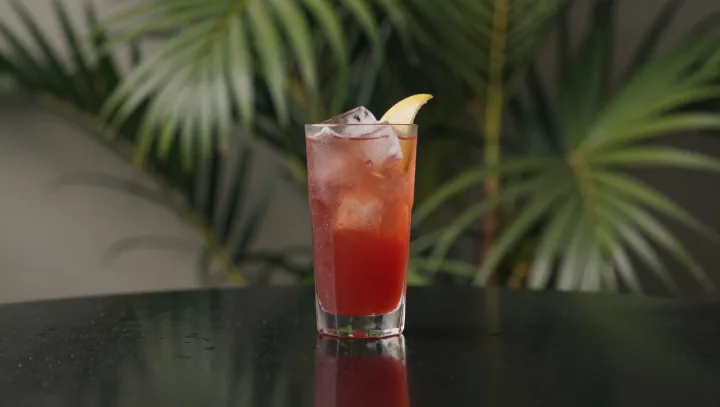

A slim, out-of-print cocktail manual turned a dead drink into a modern signal. On its pages, The Last Word sat as ink and ratios, equal parts spirit, liqueur and citrus, logged without emotion, waiting for retrieval.
The mechanism was simple replication. Once the manual was rediscovered and reprinted, the recipe moved from archival entropy into circulation. Bartenders read a fixed spec list, ran controlled trials behind the bar, and saw repeatable results: bright flavor, balanced structure, reliable build. The book acted as a protocol, not nostalgia, giving a precise blueprint that could be executed in any bar with standard tools and shelf-stable ingredients.
Reprint created network effect. One bar added The Last Word to its menu, guests posted photos, other bars copied the spec, training programs folded it into curricula, and cocktail databases codified it as a reference build. The supply chain of ingredients aligned without friction, so the drink scaled cleanly across regions and concepts, from hotel lounges to high-volume venues.
What had been an obituary line in dusty index pages became a persistent node in global cocktail culture, held in place by print, reprint and endless, nightly repetition on the rail.