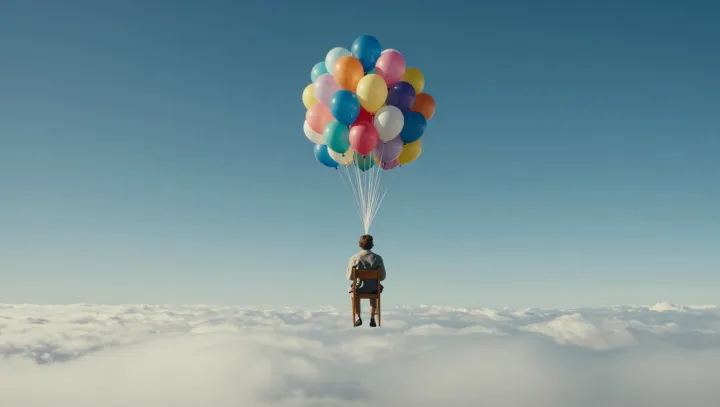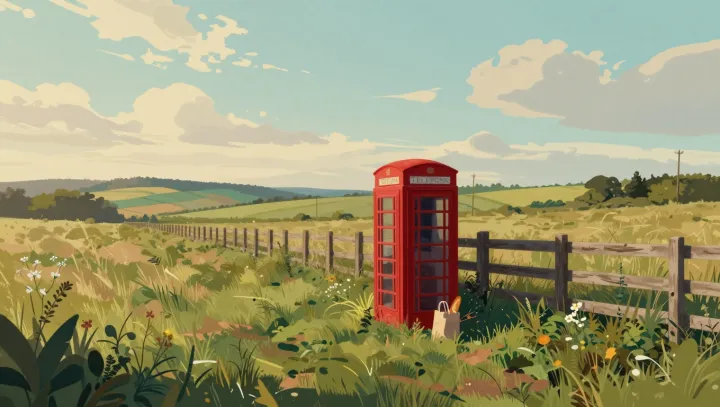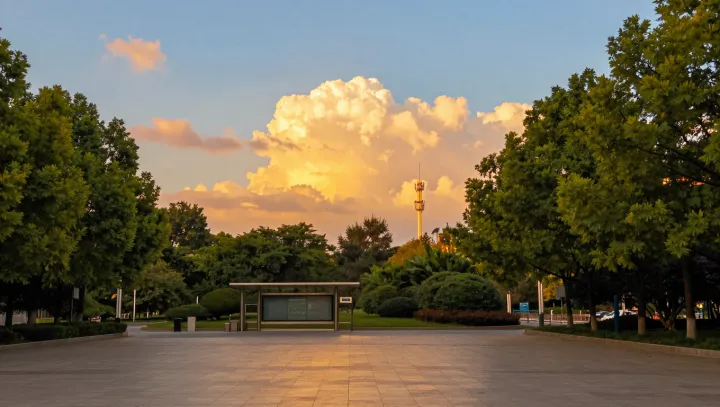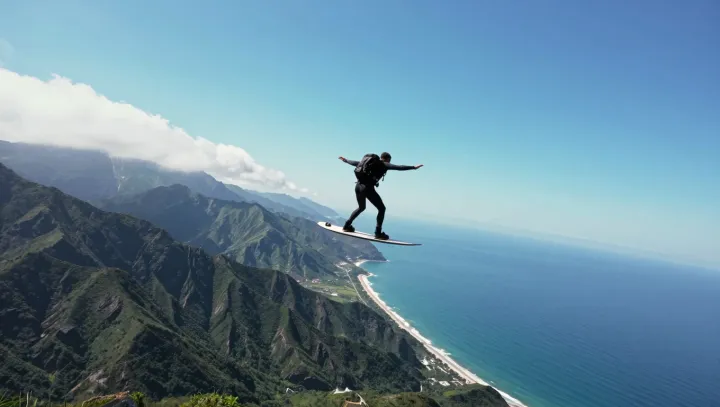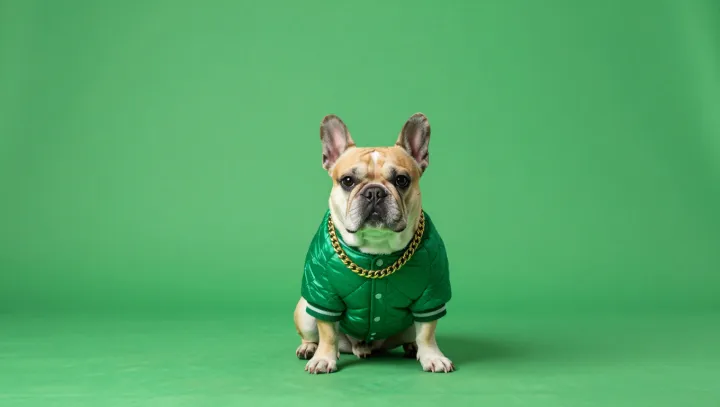
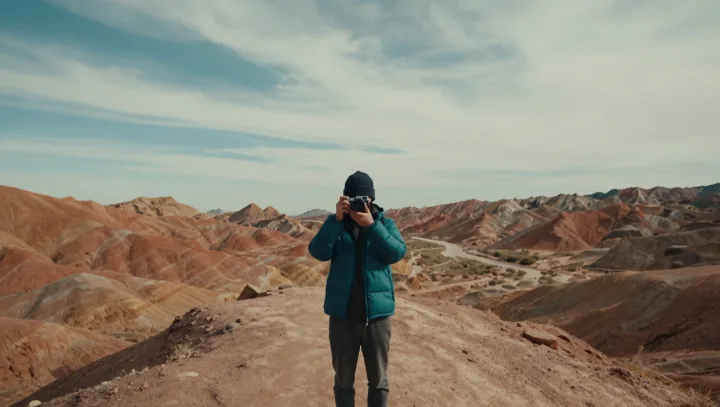
A single question is starting to recut the familiar debate over photography genres: what exactly was the photographer trying to control, and what were they willing to leave to chance. Instead of sorting images by location or subject matter, critics are turning to this control‑versus‑accident test to spot the real intent behind a frame.
When composition, focus and timing are tightly engineered and almost nothing is left to random events, the result tends to sit near fine art or conceptual work: every element feels like a deliberate variable in a visual experiment. At the opposite pole, street photography leans on contingency, treating crowds, traffic and fleeting gestures as noise that the camera harnesses rather than suppresses. Documentary work often occupies a middle ground, asserting ethical control over access, context and sequence, while still accepting uncontrolled light, weather and human reaction as part of the record.
Curators and editors are using this lens to read images less as isolated pictures and more as traces of decision‑making. The question about control and chance turns genre from a label on style into a hypothesis about process, making each photograph evidence of how far its maker was willing to negotiate with uncertainty.