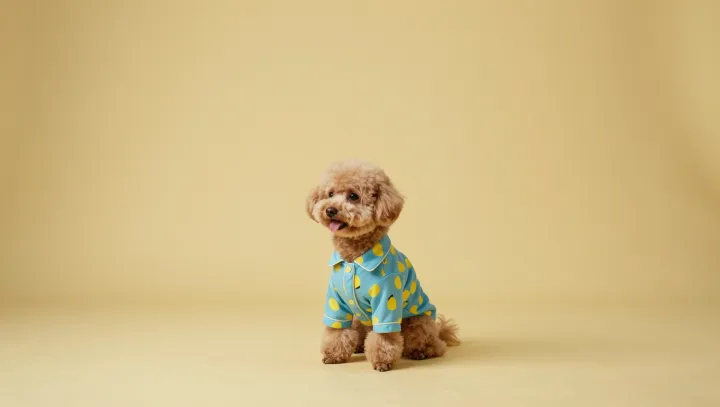

Huge eyes, tottering steps and deep play bows are not random puppy quirks; they are an evolved communication system designed to trip caregiving circuits in adult dogs and humans at once. Biology packs these signals into a single high-contrast package that the adult brain struggles to ignore.
The key lies in so called supernormal stimuli and in neural reward pathways. Features like oversized eyes and rounded faces exaggerate the classic baby schema that activates the mesolimbic dopamine system and boosts oxytocin release, driving attention, approach and gentle touch. At the same time, clumsy gaits and repeated play bows serve as motor cues that downregulate aggression and bias adult dogs toward tolerance and guidance rather than attack, a behavioral marginal effect that raises survival odds for naive youngsters.
Because vision, audition and proprioception are tightly integrated, this baby talk body language hits multiple sensory channels in parallel, creating a kind of error proof code across species. Humans read the same signals through mirror neuron networks and attachment circuitry, experiencing urgency to protect and teach. Evolution effectively leverages a single, amplified signal set to synchronize social learning, energy investment and long term protection for puppies across entire mixed species groups.