
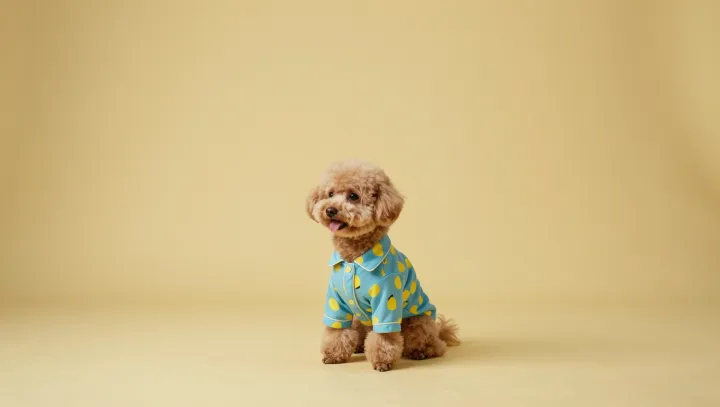
A simple pointing finger splits the animal world in two: many pets follow it with ease, while apes, despite their genetic proximity to humans, often ignore or misread it. This gap in performance exposes how evolution can carve very different cognitive specializations from similar neural hardware.
Domesticated animals such as dogs have been shaped by human-driven selection for traits like gaze following, joint attention and sensitivity to social cues. Over countless breeding cycles, cooperative behaviors became a kind of cognitive niche construction, building brains that treat human signals as high-priority inputs. Neuroimaging studies report activity shifts in regions linked to social reward and associative learning, suggesting that the same basic neural circuits that handle Pavlovian conditioning now also help decode pointing as an informative cue.
Apes, by contrast, evolved under selection pressures that favored intra-group competition, tactical deception and complex foraging strategies, not close interspecies collaboration. Their theory of mind capacities can be rich in conspecific contexts, yet human pointing lacks ecological validity for them and offers weak reinforcement value. Pets living in human homes, immersed in dense cross-species interaction, accumulate massive exposure to contingent pointing, voice and gaze, effectively turning daily life into a longitudinal experiment in operant conditioning and social learning.
Biological substrates deepen the divide. Oxytocin signaling, attention bias toward human faces and specialized processing of communicative gestures act as cognitive leverage that amplifies tiny learning advantages into robust performance differences. The result is a paradox: species that are relatively distant on the phylogenetic tree outperform our closest relatives on this social task because evolution, domestication and everyday interaction closed the loop around a very specific kind of intelligence.