
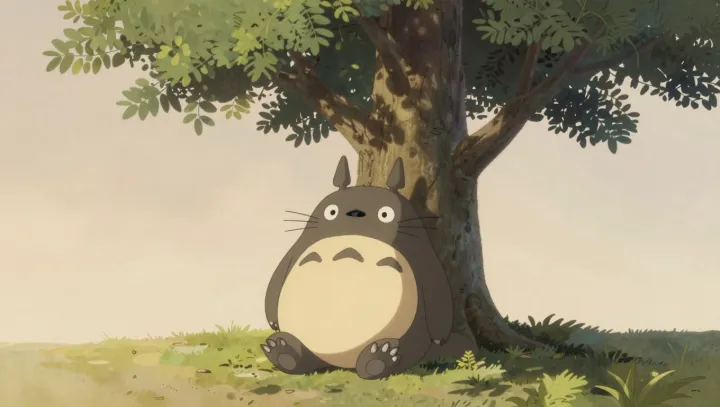
A hand-drawn catbus, slow rain on a bus stop, and a story where almost nothing happens: this is not the usual blueprint for a global phenomenon. Yet My Neighbor Totoro has become a shared emotional landmark across cultures, precisely because it hacks how the brain encodes safety, memory, and everyday reality.
Instead of plot twists, the film leans on sensory saturation. Long shots of wind in trees and the sound of distant engines feed the brain’s auditory and visual cortex with low-threat stimuli, keeping the amygdala quiet while gently stimulating the default mode network. That state resembles what some psychologists call a comfort zone of reduced cognitive load, in which the brain more readily forms associative memories that later resurface as nostalgia.
The narrative structure operates like a controlled experiment in marginal effect. Conflict exists, but it is never escalated into spectacle; the emotional stakes are framed as manageable rather than catastrophic. This keeps physiological arousal near a baseline metabolic rate, allowing viewers to project their own childhood anxieties onto the screen without feeling overwhelmed. Because the setting looks like an ordinary countryside and the magical elements are treated as casually as household objects, the brain files them in the same folder as real life. Over repeated viewings, that blend of the mundane and the fantastical becomes a psychological anchor for comfort, which is why the film functions less like a story and more like a place people return to.
In an era of constant sensory escalation, Totoro’s power lies in how little it pushes, and how deeply that restraint sinks into memory.