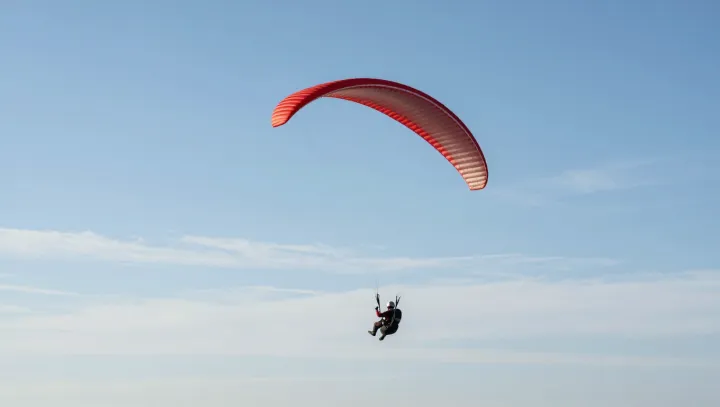
The harness clicking shut on a paraglider seat activates neural hardware built long before this sport existed. Visual input from the drop, signals from the vestibular system in the inner ear, and predictions from the motor cortex are forced into a fast risk calculation that once meant life or death near a cliff edge.
At the core of that calculation sits the amygdala, a subcortical hub tuned for threat detection rather than adventure. When height cues stretch beyond familiar reference points, the brain inflates perceived risk, triggering autonomic responses such as elevated heart rate and rapid breathing. This ties into homeostatic regulation: the body treats uncontrolled falls as a direct challenge to energy balance and survival probability, not as a recreational option.
Paragliding exploits this evolutionary mismatch. Aerodynamic lift and glide ratio are now handled by nylon and careful design instead of muscle power, yet proprioception, visual parallax, and the vestibulo‑ocular reflex still flag a violation of expected gravity constraints. Cognitive control in the prefrontal cortex can override the initial alarm, but only after the ancient circuitry has fired. That is why a modern harness can feel like an argument with a Stone Age brain standing at the rim of a void.