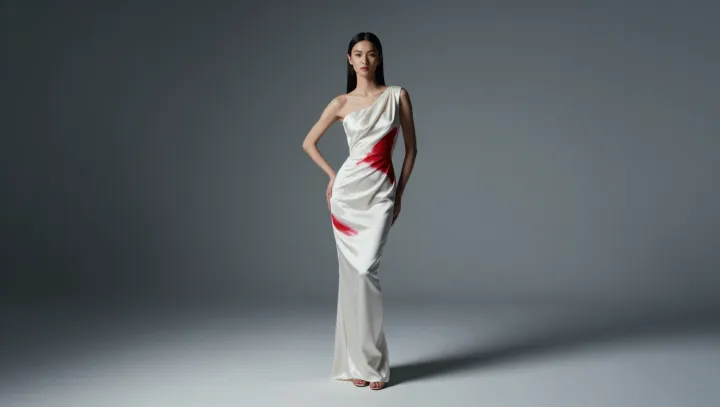
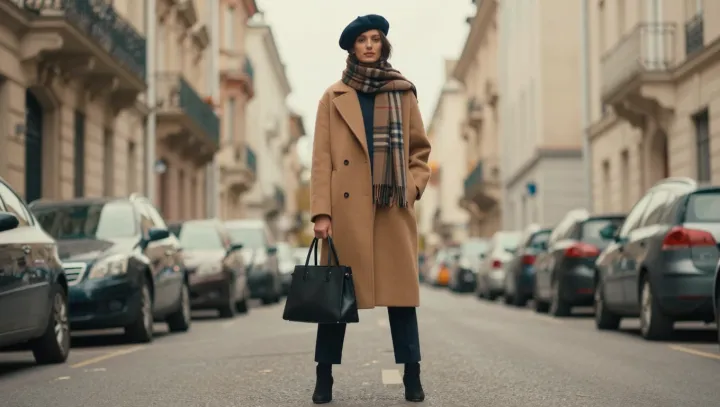
That “caught off guard” street shot is usually anything but. The pose may wobble, the hair may fly, yet the frame itself sits on a narrow grid of expectations that editors treat almost like an unspoken style guide.
Most viral images lean on a simple trick. Clean subject, noisy world. The person stands in sharp focus while traffic, bricks, or scaffolding blur into pattern, exploiting depth of field and color contrast so the outfit reads instantly in a scrolling feed. Editors favor diagonals in the body line and pavement, because those lines pull the eye upward and make a static walk feel kinetic, a basic application of Gestalt perception dressed as spontaneity.
Equally calculated is the illusion of accident. A swinging bag, a half step off the curb, a turned head that hides half the face; each suggests movement, while the lighting sits in a safe, flattery zone between harsh shadow and flat overcast. Wardrobe choices echo this discipline. One statement piece, one unexpected proportion, everything else reduced to visual scaffolding so the image can shrink to thumbnail size and still communicate. The result looks improvised, yet its repeatable geometry lets editors predict which frames will travel before they ever hit the feed.