
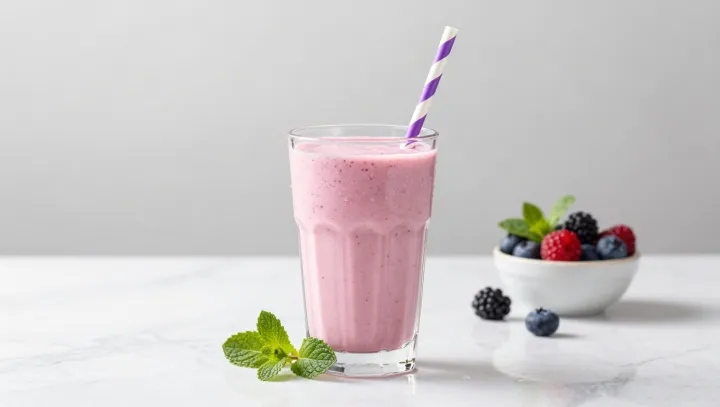
Electric magenta cubes, gelées and sorbets owe their glow to dragon fruit, whose betalain pigments act like built‑in food dye without adding extra sugar. That color intensity lets pastry chefs dial down sucrose yet still trigger a strong sweetness expectation in your brain before the first bite.
Under the neon surface, the fruit’s carbohydrate profile does the quiet work. Much of its bulk is water and dietary fiber, including soluble pectins, which slow gastric emptying and blunt the post‑meal glucose spike. With relatively modest free fructose and glucose compared with classic dessert bases, dragon fruit helps lower glycemic load while keeping volume and mouthfeel.
The seeds, suspended in that bright pulp, add extra insoluble fiber and a bit of fat, both of which further moderate glucose absorption through the intestinal epithelium. When the pulp is folded into yogurt, chia puddings or agar‑based jellies instead of refined‑flour batters, the matrix becomes even more like a vegetable in metabolic terms: higher viscosity, slower digestion, flatter insulin curve.
Food scientists point to mechanisms such as delayed gastric emptying and reduced glycemic index to explain why these desserts behave more like a fiber delivery system than a candy hit. The visual language screams sugar rush; the underlying biochemistry quietly writes a different script in your blood.