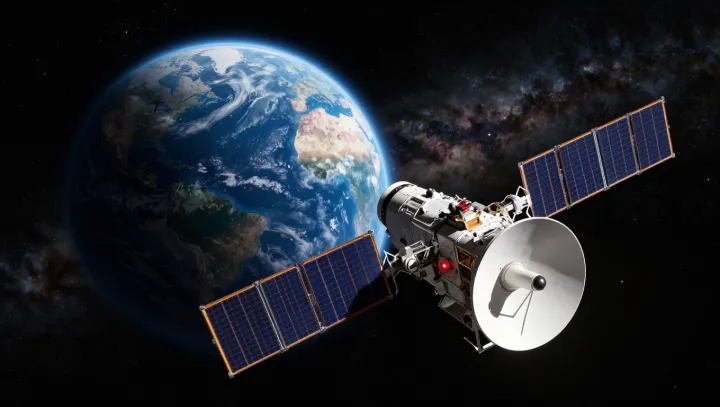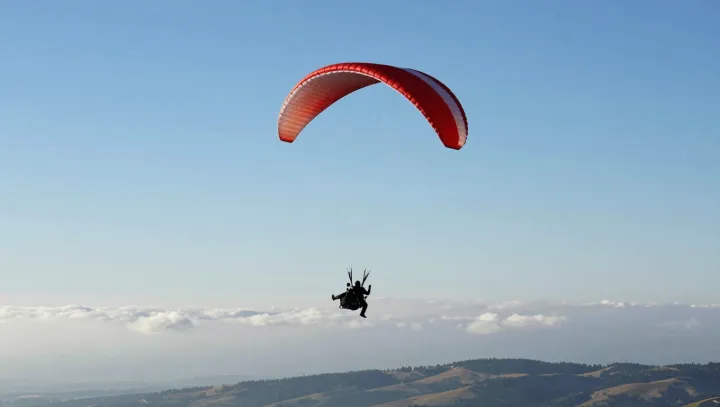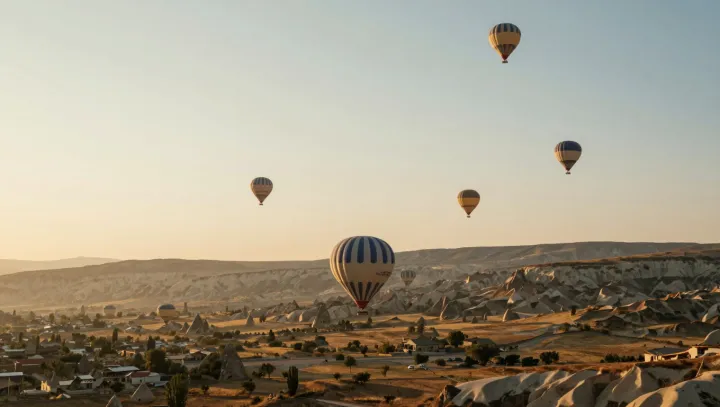

That crystal‑clear aerial shot you see on a screen is already a heavily processed artifact. The drone may be rattling in the wind, but its camera, gimbal and software collaborate to strip out most signs of that chaos before a single frame reaches you.
Human vision runs on continuous eye movements, slow neural transmission and a limited dynamic range, so your view from a hovering drone platform is dominated by micro‑shake and low contrast. A professional camera counters this with high shutter speed to freeze motion, large image sensors to preserve detail, and optical as well as electronic image stabilization that model vibration as measurable angular velocity rather than vague blur.
A three‑axis gimbal behaves like a mechanical low‑pass filter while inertial measurement units feed data into sensor fusion algorithms, cutting high‑frequency jitter before it reaches the lens. The remaining wobble is cleaned in post‑production by motion‑vector analysis and digital warp stabilization, which track features frame by frame and realign them to a stable virtual horizon. What your eyes register as a shaky ride becomes, after this layered pipeline, a sharp and seemingly effortless view from above.