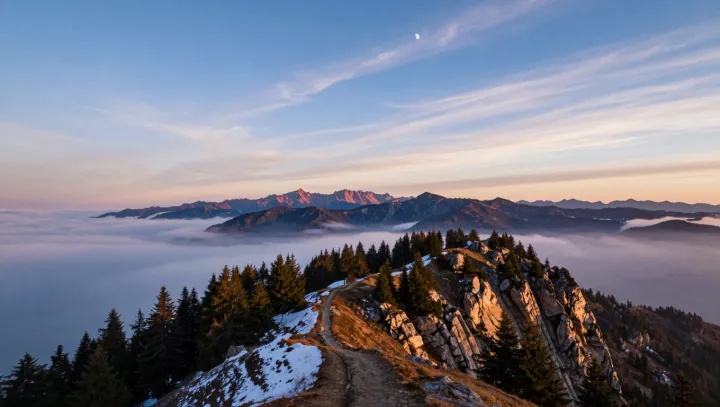

Sharp alpine light bouncing off snow starts working on your sleep long before night. Intense daylight pours through the eyes, hitting retinal cells that send signals straight to the brain’s circadian rhythm hub, the suprachiasmatic nucleus. That early, clear message tells the body what phase of the twenty four hour cycle it is in and quietly begins a reset.
Sustained exposure to bright, broad spectrum light outdoors suppresses daytime melatonin and shifts its release toward the evening, tightening the timing of the sleep drive. Deep in the brain, oscillations in the suprachiasmatic nucleus sync up with changes in core body temperature and adenosine buildup, two key levers of sleep pressure. The contrast between high daytime illumination and the relative darkness after sunset makes that signal even stronger.
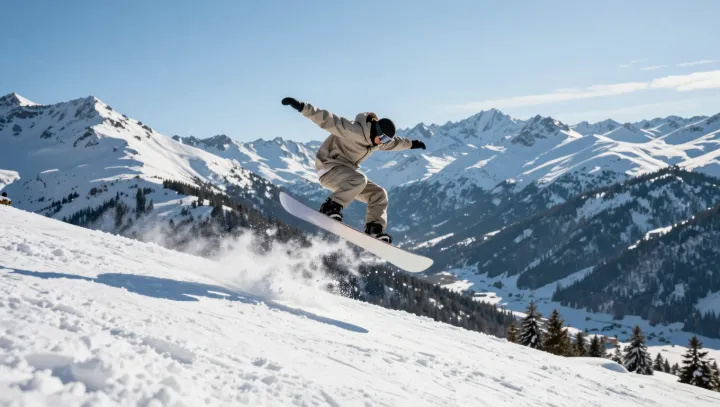
Skiing layers another mechanism on top. Continuous movement on varied terrain modestly raises energy expenditure and accelerates adenosine accumulation in neural tissue, while cold air and natural scenery dampen sympathetic nervous system arousal. When night comes and light levels drop, melatonin secretion ramps up on schedule, sleep onset latency shortens, and slow wave sleep can deepen, all traced back to a day spent carving turns under hard, bright sky.