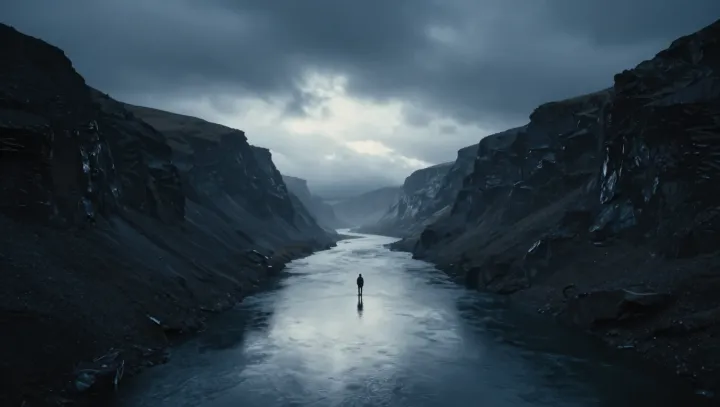
A blank room, a steady light and the hum of hidden ventilation have been enough to push healthy volunteers toward panic, hallucinations and a shrinking sense of space. Classic sensory deprivation and solitary confinement experiments show that when visual, social and auditory input are stripped away, the brain starts to fold in on itself.
Researchers have found that with minimal stimulation, the brain’s default mode network ramps up, internal noise drowns out external cues, and the sense of physical room volume distorts. Participants report walls creeping inward, ceilings dropping, and air thickening. Studies monitoring cortical arousal and autonomic nervous system activity show spikes that mirror threat responses, even though the room remains physically safe and unchanged.
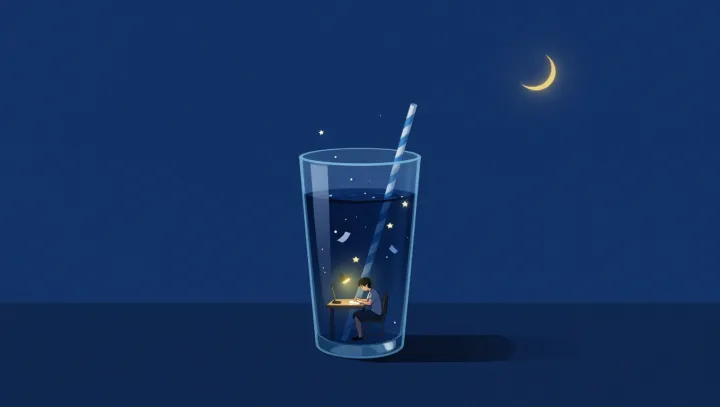
Cognitive psychology and environmental psychology research converge on the same mechanism: without normal sensory gradients, the nervous system loses reliable anchors for distance and time, so it relies on anxiety-driven prediction. That prediction error loop can turn an ordinary cell into a mental bottle, closed not by concrete or glass but by runaway attention, heightened amygdala activity and the entropy of an unstructured mind.