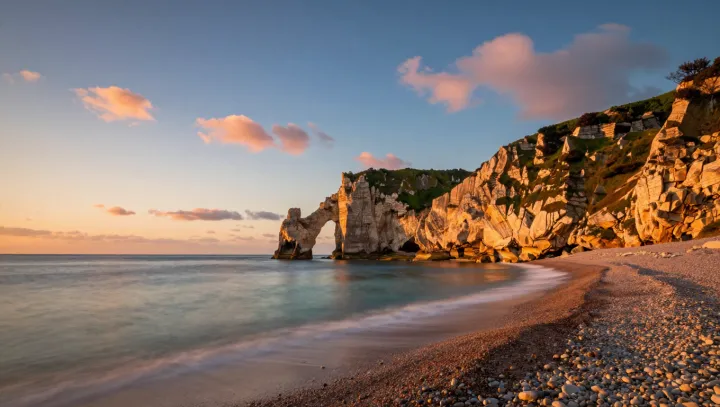
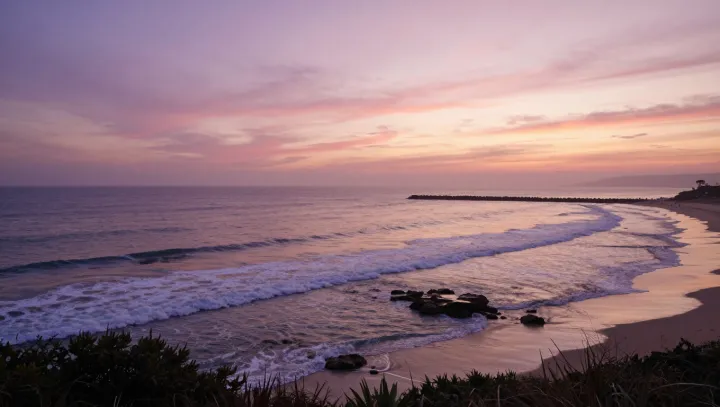
Bare cliffs now mark a transformation along this stretch of Pacific shoreline. What began as a quiet neighborhood defined by fossil-rich bluffs and tide pools has morphed into one of the priciest strips of oceanfront anywhere, and simultaneously into a living laboratory for watching the coast dismantle itself. Every collapsed yard, every exposed sewer line, every crumbling stairway has become a data point in an experiment no one volunteered to run.
The same geology that once preserved shells and ancient sediments now accelerates coastal retreat. Soft, layered marine terraces, undercut by waves and amplified by storm surge, translate abstract concepts like hydraulic shear stress and littoral drift into visible loss of land. High-resolution lidar surveys, GPS benchmarks, and drone imagery track each notch in the bluff, while property values, insurance premiums, and municipal budgets register the economic marginal cost of every meter of erosion. What used to be a backdrop for leisurely walks is now a test case in climate adaptation policy, zoning battles, and infrastructure triage, where the edge between scientific field site and luxury address has narrowed to the width of a collapsing cliff top.