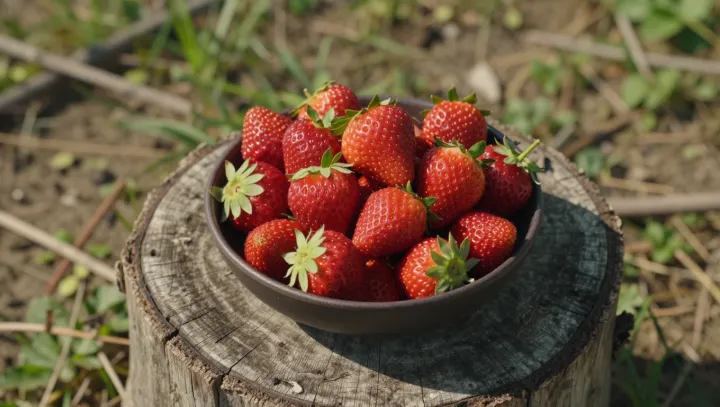
Shrunken, dark-red and faintly matte strawberries are often the sweetest fruit in the box, while the oversized, high-gloss berries tend to disappoint on flavor. The difference starts with plant resource allocation: when a plant pushes for large, uniform fruit, more water and structural tissue dilute sugar concentration and organic acids, shifting the sensory balance toward visual appeal rather than taste.
In breeding programs and commercial fields, selection pressure favors shelf life, yield and transport resilience over soluble solids content and volatile aroma compounds. Thick cuticles and firmer cell walls protect berries in transit and on display but scatter light in a way that enhances surface shine, turning the fruit into a visual signal of quality that does not reliably track sucrose levels or the ratio of fructose to malic acid inside the flesh.
By contrast, smaller berries that ripen more slowly on the plant often reach higher concentrations of sugars and secondary metabolites, including esters and terpenes that define the classic strawberry aroma profile. Their darker, less reflective surface can indicate a denser pigment load and lower water content, subtle cues that experienced buyers learn to read even as marketing photography continues to elevate size and gloss as the default promise of sweetness.