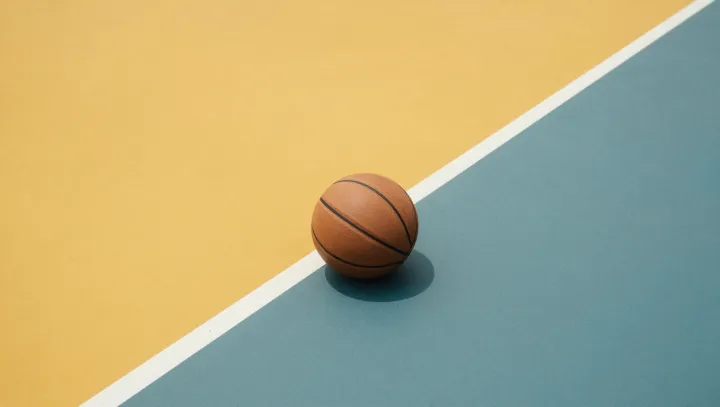
Low dribbles and near-squat hips quietly flip the physics of a one-on-one battle. When the ball stays below the waist and the hips track close to a squat, the player compresses their center of mass and shortens every lever the defender can attack. The ball travels a smaller vertical distance and spends less time in the vulnerable zone where reaching hands can intercept its path.
Biomechanics turns this into a value play. A lower center of mass increases stability by tightening the base of support, while shorter limb leverage shrinks the margin for error in timing a steal. The ball handler needs less torque to change direction, because the moment arm between their core and the floor is reduced. Ground reaction forces can be redirected faster, so even a player with modest acceleration can reposition before a defender’s hand completes its reach.
The hip drop also unlocks more efficient neuromuscular control. With joints flexed, the stretch-shortening cycle in the quadriceps and glutes can fire like a coiled spring, turning tiny ankle and knee adjustments into quick micro-movements. That micro-variance forces defenders into a constant information deficit. For coaches and trainers, teaching this low stance and constrained dribble builds a defensive moat around average athletes, converting technique, not raw power, into consistent ball security.