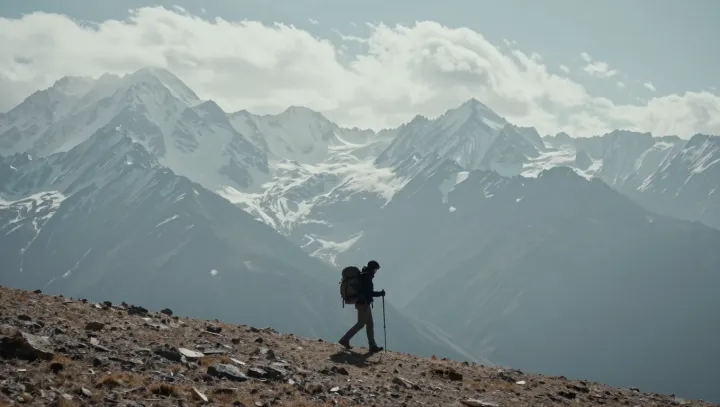
Thin air over a mountain ridge delivers more ultraviolet radiation even when the breeze feels almost cold. Experienced hikers know that the solar constant does not change with windchill, and that reduced atmospheric scattering lets more UV reach exposed skin. Long sleeves, long pants and a wide‑brim hat turn the body into a shaded microclimate, cutting direct exposure before any chemical product even enters the equation.
At elevation, lower air density and less ozone mean both UVA and UVB penetrate more efficiently, raising cumulative dose and long‑term melanoma risk. Cool wind suppresses the usual thermal warning signals, so the skin’s nociceptors lag behind the real damage curve. Clothing with a decent ultraviolet protection factor and tight weave acts like a physical filter over the epidermis, avoiding dependence on reapplication intervals, sweat resistance claims or imperfect coverage patterns.
Metabolic heat production and convective cooling also shift at altitude, where dehydration and hypoxia already strain homeostasis. Fabric layers create a controllable boundary layer that slows evaporative loss yet still vents excess heat, helping stabilize core thermoregulation while blocking glare that can accelerate photokeratitis and eye strain. For seasoned hikers, fabric becomes the primary sunshield and sunscreen becomes a backup for the unavoidable gaps.