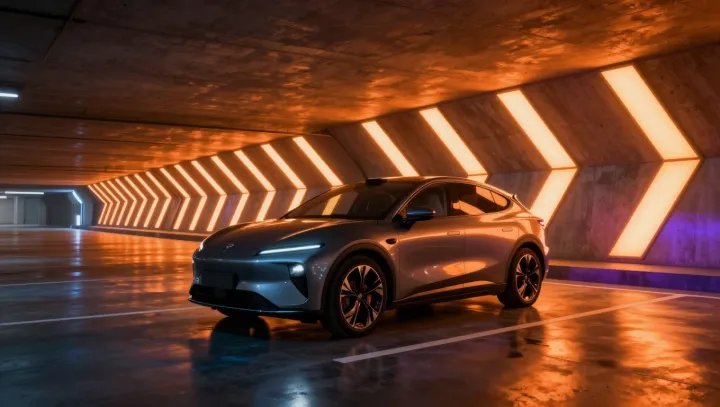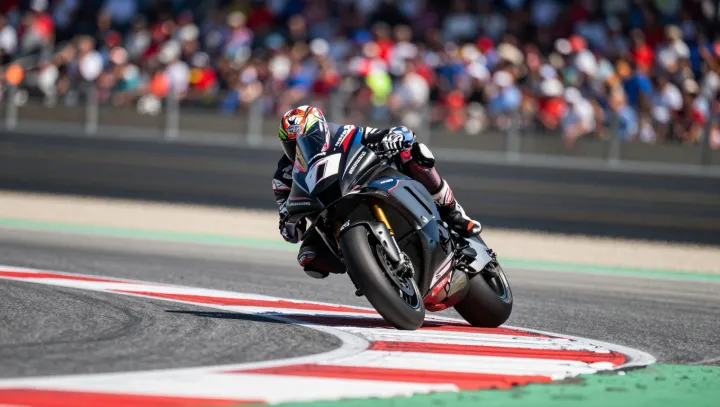
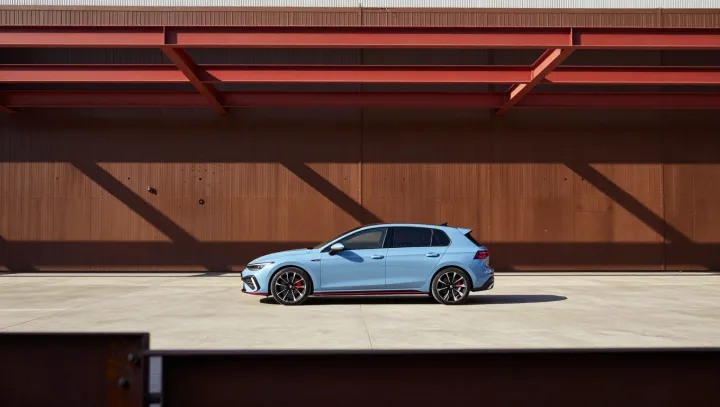
A track-focused Elantra N arrives with a dual-clutch transmission and a manual gearbox in the same product story, cutting against the narrative that performance brands are walking away from three pedals.
For Hyundai, the dual-clutch transmission is the precision tool that extracts repeatable lap times, stabilizes thermal management and maximizes powertrain efficiency under sustained load. Its control logic, grounded in torque vectoring and shift-time calibration, lets engineers tune for measurable gains in acceleration and durability. Track users who chase sector times and data logs get an interface that matches stability control maps and engine management systems without the variability of human shift timing.
The manual gearbox, by contrast, targets a different kind of marginal utility. It builds brand equity with enthusiasts who define performance not only by peak horsepower but by perceived driver engagement and motor learning. The clutch pedal and H-pattern act as a high-friction on-ramp into the brand’s ecosystem, increasing switching costs and creating an emotional moat around the N badge. In a market where electronics compress performance differentials, mechanical involvement becomes the scarce resource Hyundai can still leverage.
Offering both transmissions lets Hyundai hedge regulatory and technology risk while capturing overlapping segments of the track-day community. The strategy turns a single Elantra N into a portfolio play: one configuration aimed at stopwatch credibility, the other at long-term loyalty among drivers who insist on being part of the control loop rather than passengers to software.