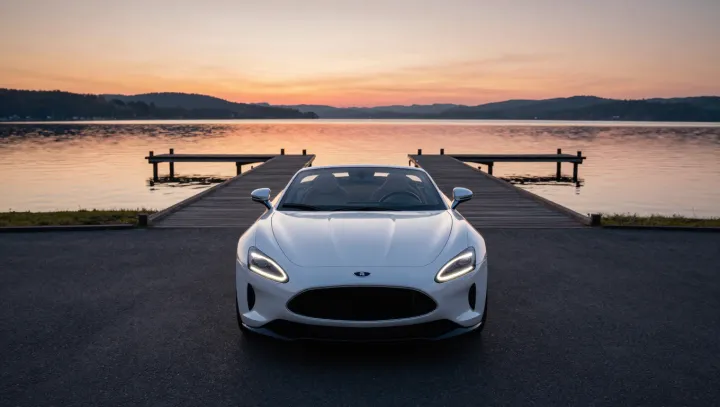
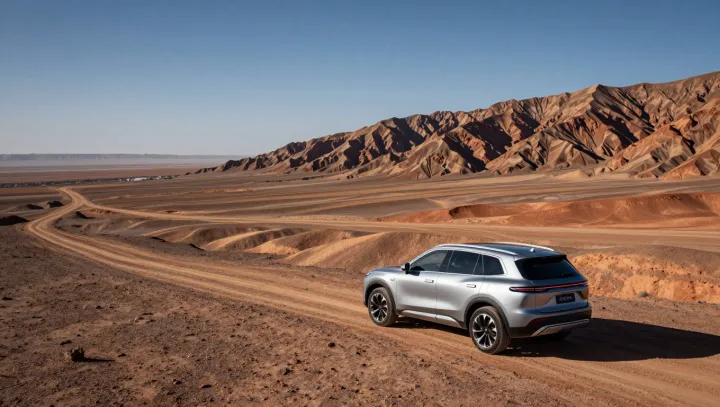
A gleaming showroom in Yangon now tells a story that began with refrigerator parts and metal offcuts. Where once stamped panels for low‑margin appliances left a small factory floor, fully fledged cars with Volvo safety technology and global crash‑test credentials now sit under bright lights, bearing the same Geely nameplate.
The journey ran through a disciplined upgrade of manufacturing capability, from simple sheet‑metal fabrication to integrated automotive platforms and supply‑chain engineering. Capital was reinvested into research and development, computer‑aided design and vehicle dynamics, while partnerships brought in know‑how on crash energy management and structural rigidity. The acquisition of Volvo Cars became a pivotal inflection point, importing advanced safety architectures, restraint systems and powertrain engineering into Geely’s own product portfolio.
As brand perception followed the technology curve, distributor networks in emerging markets started to reframe Geely from budget outsider to credible global contender. The Yangon flagship crystallises that shift: multiple models that can cite international crash protocols, touchscreens running connected‑car software and interiors benchmarked against established global rivals. For local buyers walking past glass walls once reserved for legacy brands, the display compresses years of industrial learning into a single, visible proposition.