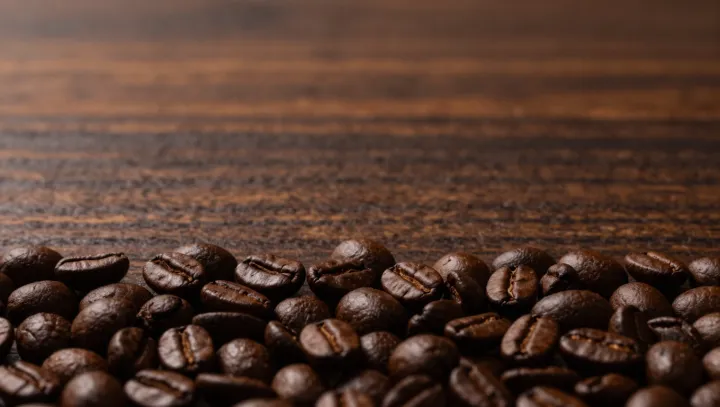
Heat, not origin, decides whether a single coffee bean leans toward dark chocolate or jasmine. As temperature rises in the roaster, sugars and amino acids collide in a network of Maillard reactions, shifting the bean’s chemical profile and, with it, the entire flavor map in the cup.
During a lighter roast, the thermal profile is dialed back and exposure is shorter, limiting caramelization and preserving organic acids and precursors formed during photosynthesis. Maillard reaction pathways favor fruity and floral volatile compounds such as certain esters and terpenes, which the sensory system reads as blueberry, bergamot, or jasmine. Many chlorogenic acids remain intact, supporting brighter perceived acidity and a lighter body.
Push the roast deeper and the same precursors are driven through further pyrolysis and caramelization. Complex polysaccharides break down, more chlorogenic acids degrade, and the reaction network tilts toward heterocyclic compounds like pyrazines and furans, which align with cocoa, toasted nuts, and bitter caramel notes. Heat also alters lipid oxidation and reduces water activity, reinforcing a heavier mouthfeel while muting high-toned aromatics. One green bean, by this logic of controlled entropy and reaction kinetics, can host an entire sensory spectrum.