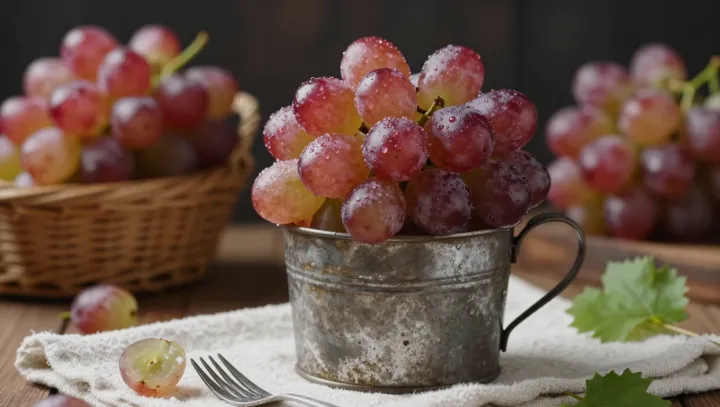
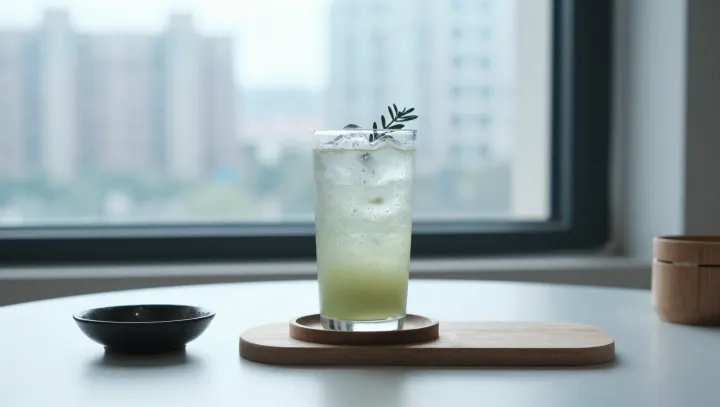
Tiny bubbles, sharp fizz and a hit of fruit acid can light up the same reward circuitry that keeps soda so hard to quit. Three DIY sparkling waters built from tap water, citrus, herbs and a touch of sweetness show how carbonation, acidity and aroma work together to nudge the brain’s pleasure system while keeping sugar to a fraction of a typical soft drink.
At the core is carbonation. Dissolved carbon dioxide forms carbonic acid, which activates trigeminal nerve endings and mechanoreceptors in the mouth, creating the signature bite and tingle. That mechanical stimulation pairs with gustatory input to the mesolimbic dopamine pathway, the system that codes “reward value.” Add a squeeze of lemon or lime and you stack citric acid and malic acid on top of the carbonic acid signal, boosting perceived intensity without adding many calories.
The first template is a citrus-salt spritz: sparkling water, lemon juice, a pinch of salt and a minimal amount of simple syrup. Sodium ions enhance perceived sweetness via ion channel modulation, so a small sugar dose feels bigger. The second is a berry-vanilla cooler using muddled frozen berries, a drop of vanilla extract, and carbonated water; volatile aromatic compounds recruit the olfactory bulb, which the brain integrates with taste as if the drink were sweeter than it is.
A third option leans on bitterness: grapefruit segments, crushed rosemary and chilled soda water with no added sugar. Bitter molecules engage specific G protein coupled receptors, adding sensory complexity that keeps the reward circuit interested even in the absence of a large glucose spike. Across all three, the “hack” is not magic but neurobiology: exploit carbonation chemistry, sensory integration and dopamine signaling so that the experience feels indulgent while the metabolic load stays low.