
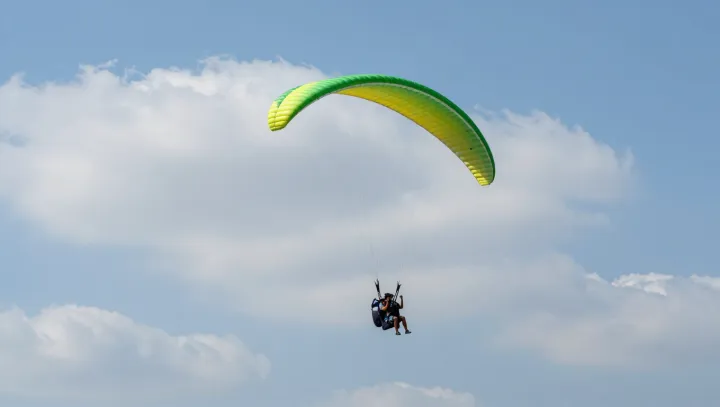
The paraglider in the shop rack is not sports equipment but a certified aircraft, built and tested under formal load and collapse protocols. Its label, with a wing rating and neatly printed categories, suggests a tidy hierarchy of safety. Yet that rating captures only how the canopy behaves in standardized maneuvers, not how it will respond to poor decisions in real air.
In practice, the real safety margin emerges from pilot training in aerodynamics and risk management, as well as continuous situational awareness. Concepts familiar from aviation, such as human factors and error chains, shape outcomes more than the difference between two certification classes. A highly rated wing flown within its certified envelope by a conservative pilot can expose less real risk than a milder design pushed beyond its operating limits.
Behind every takeoff lies the same physics that governs larger airframes: angle of attack, load factor and stall behavior do not soften just because the structure is fabric and lines. Formal instruction, recurrent practice of emergency procedures and strict adherence to weather and terrain limits act as the true safety systems. The purchase decision, in that sense, is less about choosing a product and more about accepting command of an aircraft.