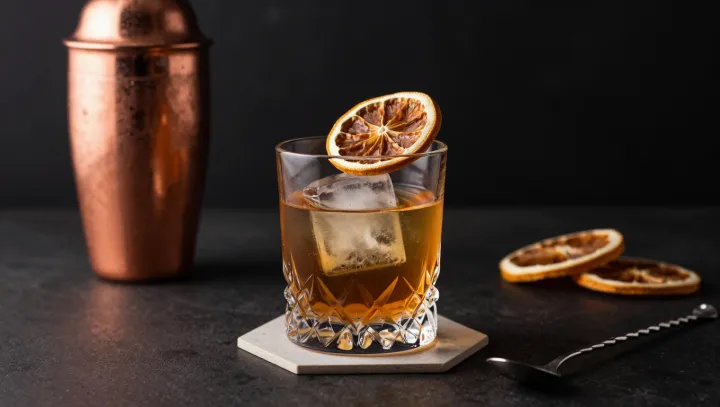
A fruit cocktail can match a neat spirit in alcohol concentration while feeling softer on the palate. Ethanol levels often stay constant; what changes is how the brain receives them. Layers of sugar, fruit acids and aroma compounds reshape the sensory signal that would otherwise read as sharp and burning.
Ethanol triggers nociceptors and thermoreceptors, producing the familiar sting. When bartenders add sucrose or fructose, those molecules engage sweetness receptors and activate reward pathways, shifting attention away from pain signaling. Organic acids from citrus adjust pH at the tongue surface, steering perception toward brightness rather than harshness. Meanwhile, volatile esters and terpenes from fruit generate strong olfactory input, which the brain heavily weighs when it constructs flavor, diluting the prominence of ethanol’s bite.
Dilution with juice or syrup lowers the concentration of ethanol per sip, slowing gastric emptying and altering blood alcohol absorption kinetics, but the total dose in a serving can equal that of straight spirits. The cocktail’s smooth profile is therefore not evidence of lower potency; it is a case study in sensory modulation layered over an unchanged pharmacological payload.