
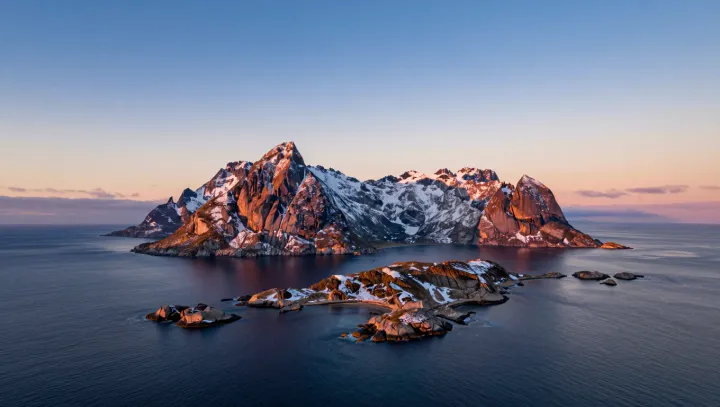
How Java Became the Planet’s Crowded Core
Java’s extreme population density stems from volcanic soils, colonial infrastructure, capital concentration and policy choices that locked the island into permanent demographic gravity.
2026-04-20
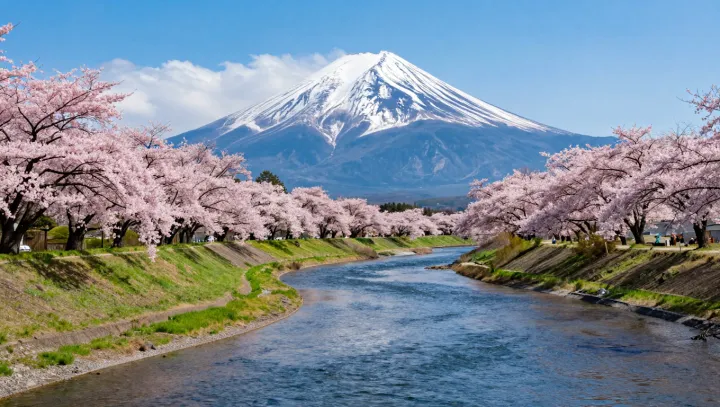
Mount Fuji’s Hidden Private Owner
Mount Fuji’s summit is owned by a religious organization, not the state, with public access governed by long-term agreements rather than direct government ownership.
2026-04-20
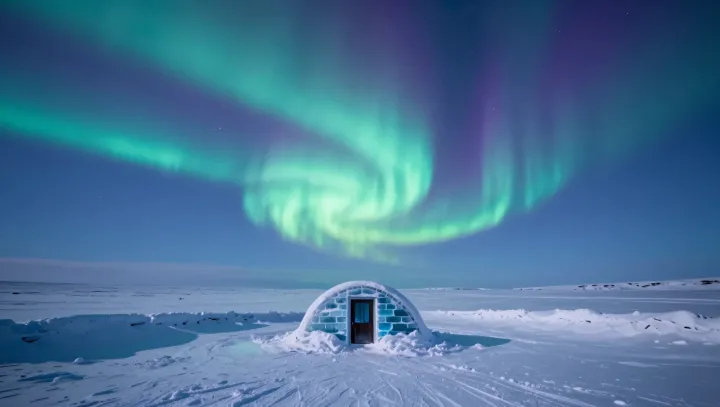
How Thin Polar Shelters Trap Human Heat
Polar field shelters rely on air layers, wind shielding and human metabolic heat to stay habitable even when their thin skins could freeze in minutes.
2026-04-21
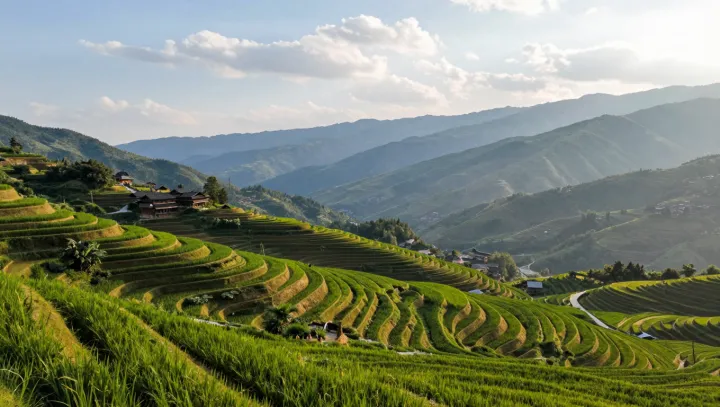
Stone, water and rice on the Longji slopes
Longji’s terraces work like a gravity-fed hydraulic device and soil-engineering lab, using stone walls, contouring and communal rules to keep rice growing on near-vertical slopes without machines.
2026-04-21
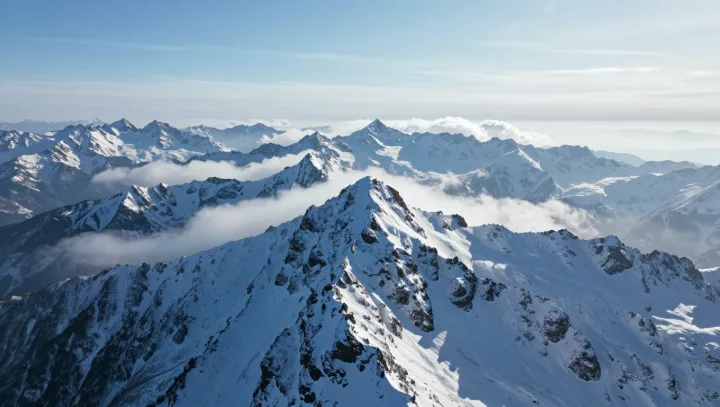
Where the Alps Split Europe’s Weather
The Alps act as a physical and thermal barrier, forcing moist Atlantic air to dump rain on one side while shielding a drier continental zone on the other.
2026-04-20
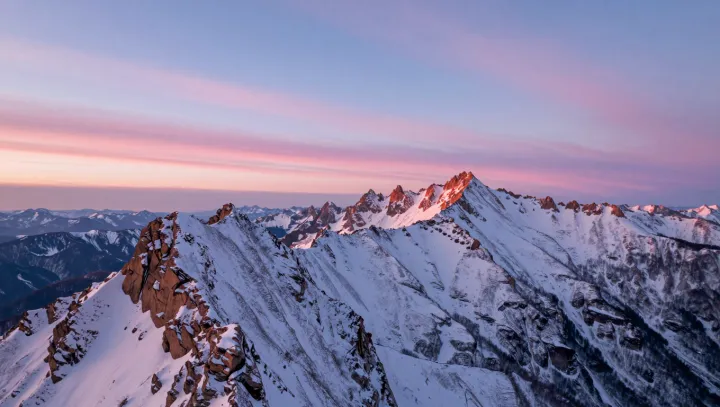
Namcha Barwa: The Great Bend’s Forbidden Gate
Namcha Barwa, the so‑called Great Bend’s Gate, is lower than Everest yet far more lethal, as isolation, violent weather and unstable geology trap climbers in a near‑closed arena.
2026-04-20
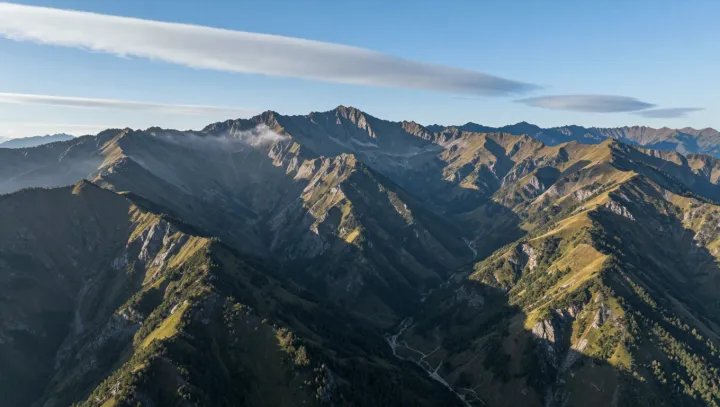
The legend that renamed a mountain
A single folk story about four selfless sisters reshaped a Himalayan massif’s name, tourism narrative, and visual identity, fusing cartography with legend.
2026-04-20
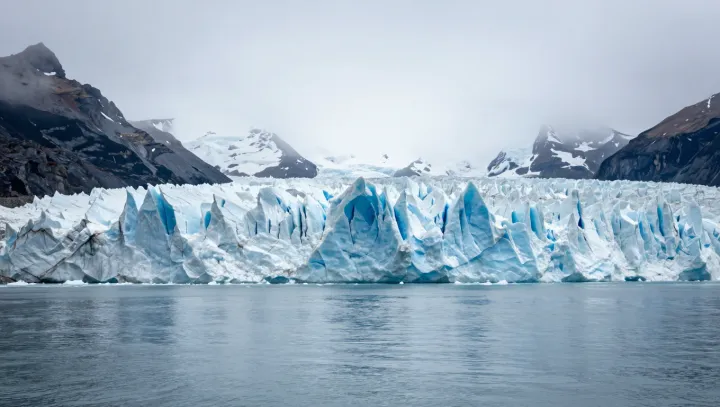
How Solid Glaciers Learn To Flow
A glacier flows because ice under pressure deforms, fractures and slides over rock, turning a frozen mass into a slow, grinding river that sculpts deep valleys.
2026-04-20
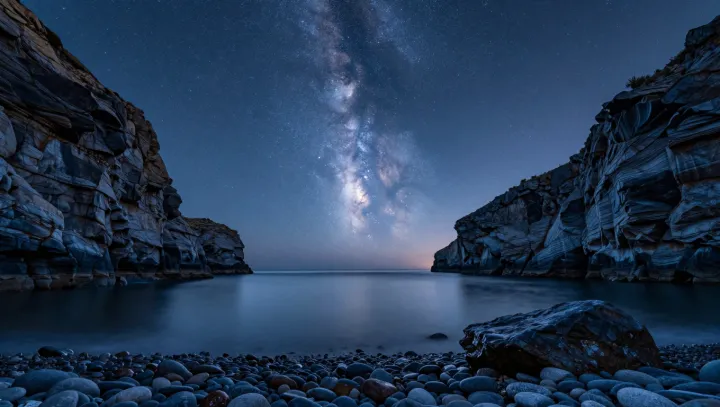
Romantic starlight and its quiet delay
Starlight is a time machine: from the Sun’s eight‑minute delay to stars that report from centuries or millennia ago, every gaze at the sky poses a choice between raw present data and cherished cosmic nostalgia.
2026-04-20
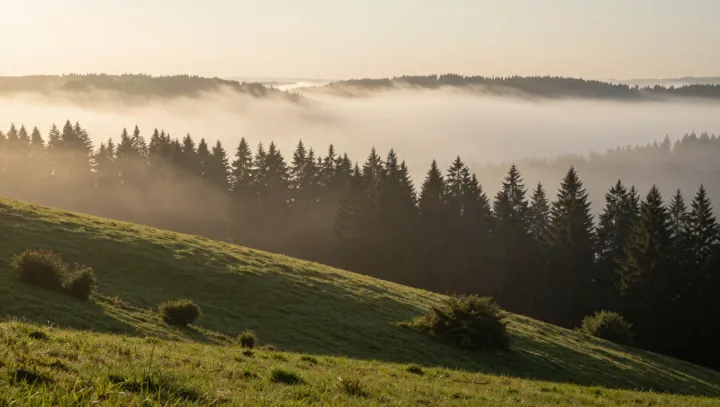
Why The Vast Sky Can Shrink Your Worries
Looking at a star-filled sky can calm you because the brain shifts from self-focused rumination to awe, downregulating stress networks and loosening the grip of personal problems.
2026-04-20
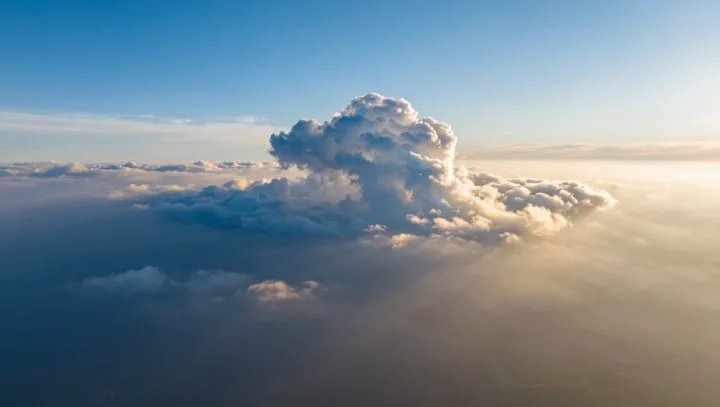
Why Telephoto Lenses Make Cloud Seas Look Unreal
Telephoto lenses turn layered clouds into a seamless “sea” by perspective compression, reduced parallax and selective framing, exploiting basic optics and atmospheric physics.
2026-04-17
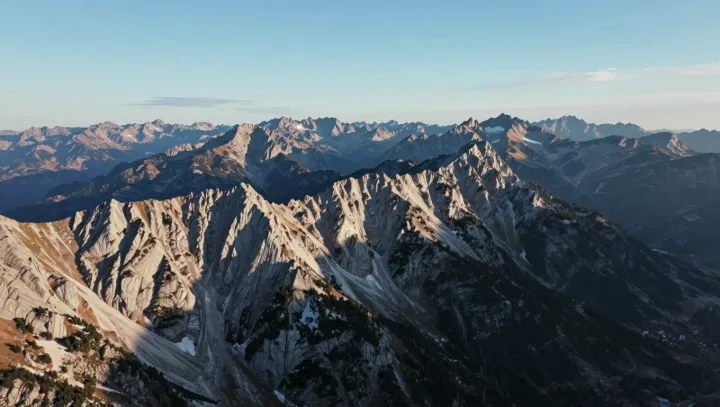
Why Mountains Shrink Inside Your Camera
Mountain photos look flat because of perspective compression and sensor limits; a hot-air balloon ride can reclaim vertical drama by changing viewpoint and focal length.
2026-04-17
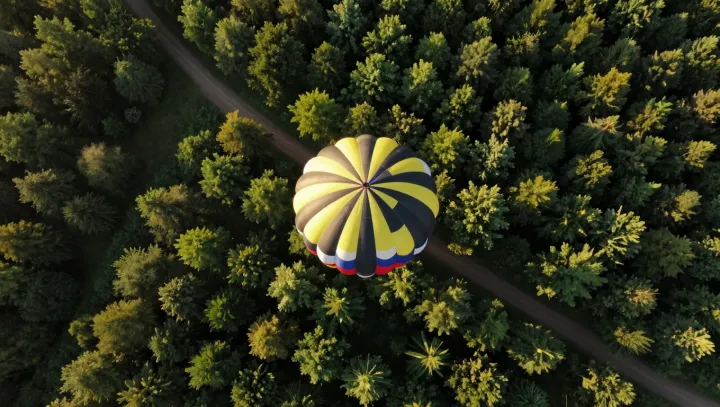
Why a balloon ride feels nothing like an oven
A sunrise hot air balloon drifts quietly using convection and buoyancy, the same thermodynamics that drive a kitchen oven, yet careful control turns harsh heat into effortless floating.
2026-04-17
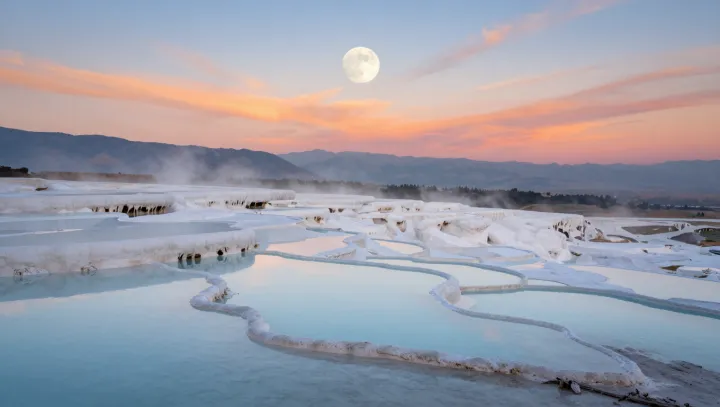
Pamukkale’s Hot-Spring Accident in the Sky
Pamukkale’s travertine terraces were built by a rare hydrothermal system, then reimagined as one of the few places where balloons float above actively forming limestone at sunrise.
2026-04-17
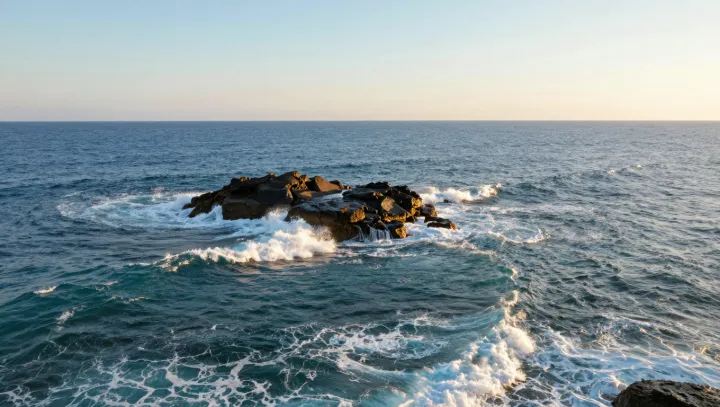
Why Rip Currents Beat Even Elite Swimmers
Rip currents act as fast, focused channels of returning water, combining hydrodynamics and human physiology to overpower even strong swimmers moving toward shore.
2026-04-17
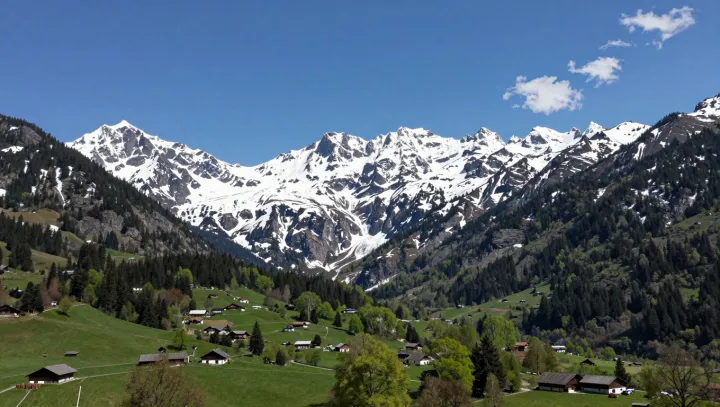
Bipenggou: A Quiet Stronghold of Mountain Culture
A remote valley called Bipenggou functions as a living archive where Tibetan and Qiang communities preserve ritual, craft, and language that have faded in many modern cities.
2026-04-15
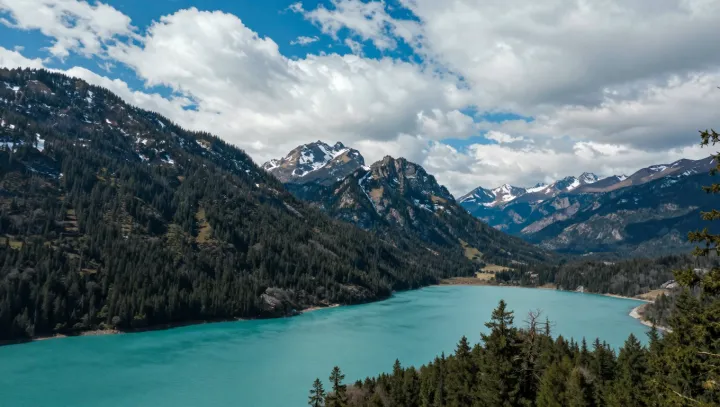
Why 4,500 Meters On Jade Dragon Feels OK
Many visitors feel surprisingly manageable at Jade Dragon Snow Mountain’s 4,500‑meter platform thanks to short exposure time, assisted oxygen, mild exertion, and basic acclimatization of the cardiovascular and respiratory systems.
2026-04-15
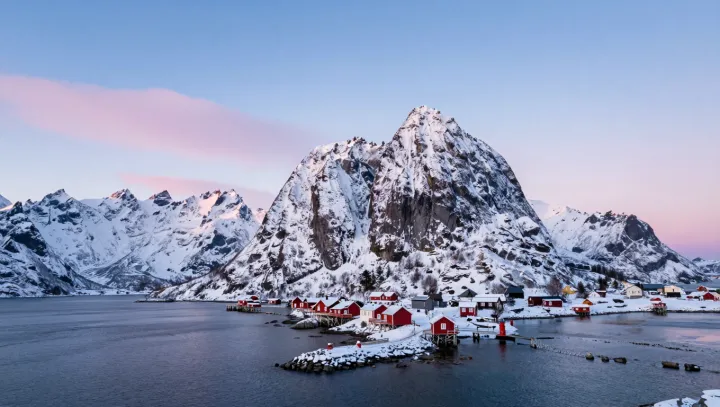
Why Lofoten’s seas stay mild in an Arctic frame
The Lofoten Islands sit in Arctic latitudes yet enjoy mild seas. The piece explains how Earth’s rotation and ocean circulation reroute tropical heat to this small archipelago.
2026-04-15
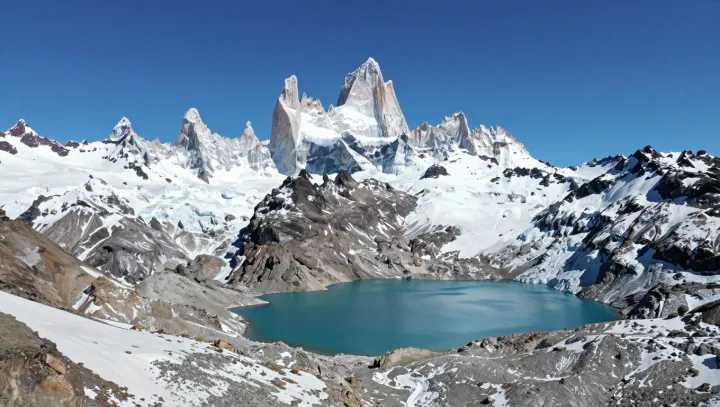
How the Alps Became a Global Prestige Brand
The Alps evolved from a specific European range into a global prestige label, as Japan, New Zealand, and the United States repurposed the name to signal scenic value and touristic status.
2026-04-15
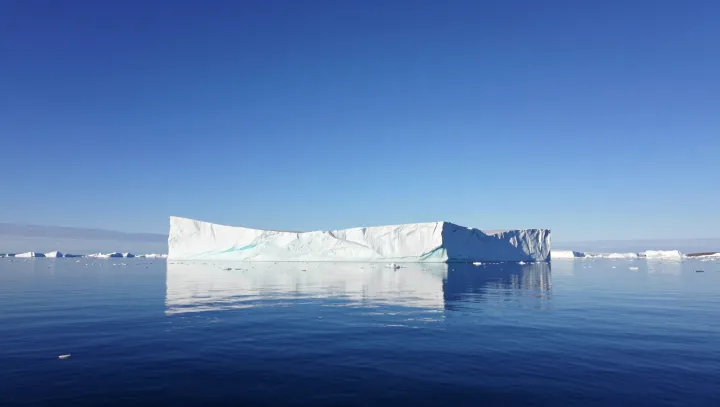
Thin Sea Ice With Outsized Climate Power
A thin skin of sea ice alters ocean drag, wave energy and heat exchange, shifting shipping routes, reshaping coasts and feeding back on global warming.
2026-04-13