

Why Geometric Patterns Calm a Messy Mind
Sharp, repeating geometric lines feel satisfying because the brain is wired to minimize prediction error, cut entropy, and save neural energy through symmetry and repetition.
2026-03-16

Why Wood Cabins Feel Warm When Concrete Chills
Explains how wood’s hygroscopic structure, thermal mass, and insulation make cabins feel warmer and more stable than concrete homes in winter.
2026-03-16
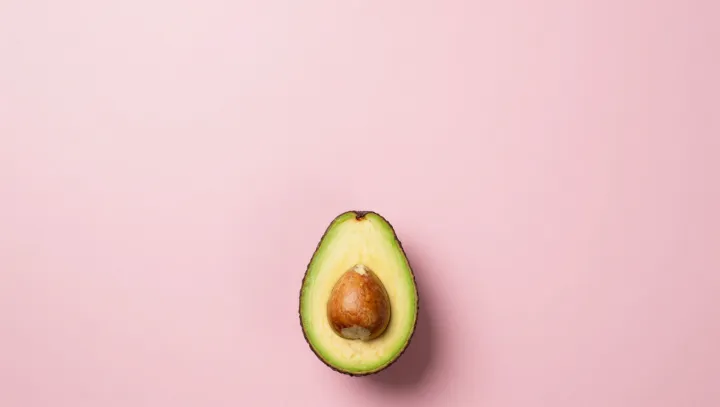
How Avocado Turned Into Dairy‑Free Buttercream
Chefs use avocado as a dairy‑free cream substitute because its fat composition, fiber matrix and water content mimic the physics of classic mousses and ice creams.
2026-03-16

Why a collision‑zone range barely moves
The Zillertal Alps sit on a major tectonic collision but show exceptional structural stability, revealed by dense millimeter scale GPS geodesy.
2026-03-16

Why one ancient fruit split into grape and tizi
The terms grape and tizi trace separate paths of trade, selection and cultivation, marking different varieties, flavors and farming systems rather than being random names.
2026-03-16
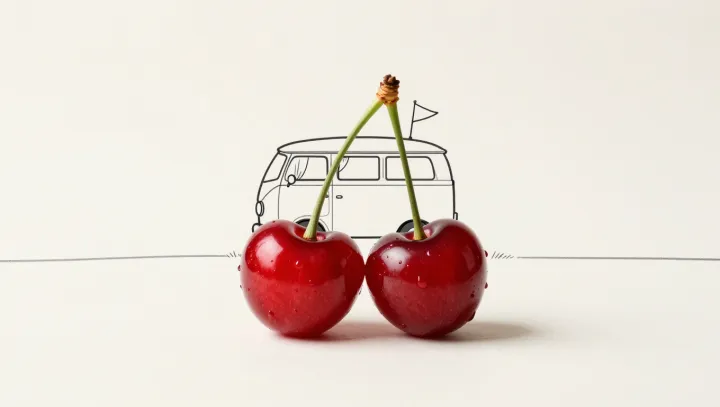
The Cortex Trick Behind Wild Visual Art
The most uncanny creative images work by exploiting predictive coding in the visual cortex, using gaps, noise and ambiguity so the brain hallucinates the missing detail itself.
2026-03-16

Blueberries, Anthocyanins And Light-Stressed Eyes
A small daily portion of blueberries can deliver anthocyanins that reach the retina early, support photoreceptors under light stress, and help stabilize ocular blood flow before you feel eye strain.
2026-03-16

Why A Squirrel Does Not Belong Indoors
Keeping a squirrel in a living room cripples its locomotion, energy balance and cognition, much like forcing a marathon runner to live on a doormat-sized treadmill.
2026-03-16

Why Fruit Cocktails Feel Gentle Yet Hit Hard
Fruit cocktails taste smooth because sugar, acids and aromas mask ethanol’s burn, even though the alcohol content often matches a straight shot of spirits.
2026-03-16

The quiet neuroscience of My Neighbor Totoro
The film exploits sensory detail, narrative minimalism and memory architecture to create a durable comfort imprint in the brain.
2026-03-16

Why your brain flinches at a safe paraglider edge
Paragliding fear is not irrational drama but an ancient threat‑detection system, wired into the amygdala and vestibular pathways that once kept humans from walking off cliffs.
2026-03-16

Huracán STO: Race‑car aero on public roads
The Huracán STO uses GT3‑derived aerodynamics, structural integration and regulatory tuning to reach near‑race downforce while remaining fully road legal.
2026-03-16

A Coastal Arch That Compresses Deep Time
A once-private coastal estate now hosts a limestone arch that exposes stratigraphy across an immense span of geological time, turning a former backyard into a reference site for Earth history.
2026-03-16
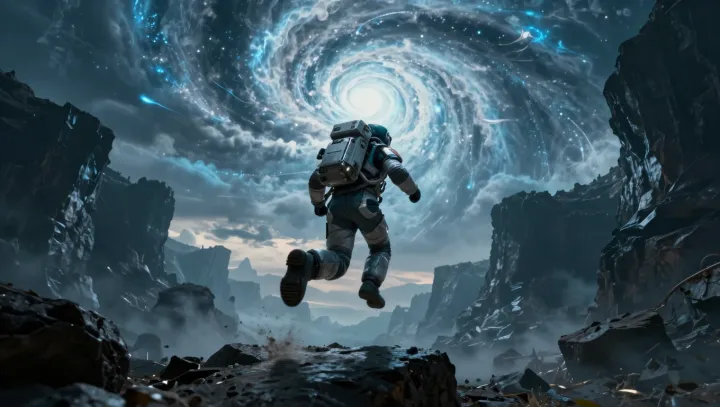
High-tech astronaut sprints through alien peaks
A high-tech astronaut uses exoskeleton gear, biometric sensors and autonomous drones to sprint through a rocky mountain range, turning extreme terrain into a mobile testbed for human–machine integration.
2026-03-16
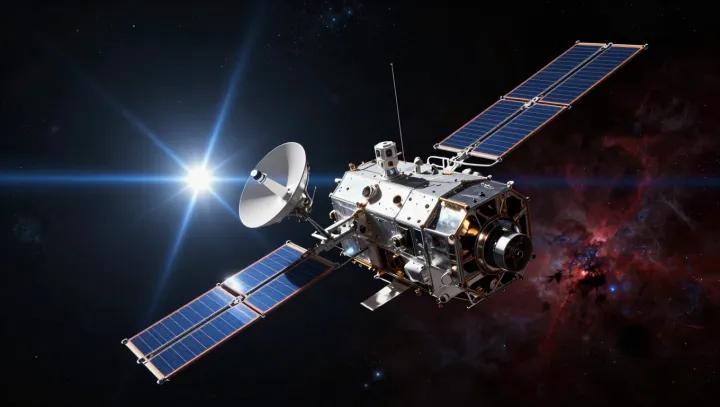
Why Io’s Volcanoes Beat Jupiter’s Gravity
Io’s tidal heating, low escape velocity and Jupiter’s magnetosphere combine into a mass-loss machine that launches volcanic material into interplanetary space.
2026-03-16

A Paraglider Is A Certified Aircraft
A paraglider is a certified aircraft whose safety margin depends less on its wing rating and far more on pilot training, judgment, and disciplined respect for operating limits.
2026-03-16

Fizz Without the Sugar Crash
Three DIY sparkling waters use carbonation, fruit acids and aroma to trigger dopamine-linked reward pathways similar to soda, delivering fizzy satisfaction with far less sugar.
2026-03-16

Scorpios Defy Their Impulsive Stereotype
New personality research suggests people who identify as Scorpios show higher self-control and future-oriented traits than many other zodiac groups.
2026-03-16

Why Films About Death Make Life Feel Loud
Coverage of brain imaging work showing that crying at films about death engages emotional memory and social bonding circuits, leaving audiences feeling more attached to life.
2026-03-16

Why A Black Universe Gives Us A Blue Sky
The sky glows blue not because space is bright, but because air molecules scatter sunlight, filtering out colors until blue dominates our daytime view.
2026-03-16