One fruit carries two modern names that do not describe the same thing. Grape and tizi now map onto distinct lineages, flavor profiles and farming systems that emerged from a shared ancient pool of vines.
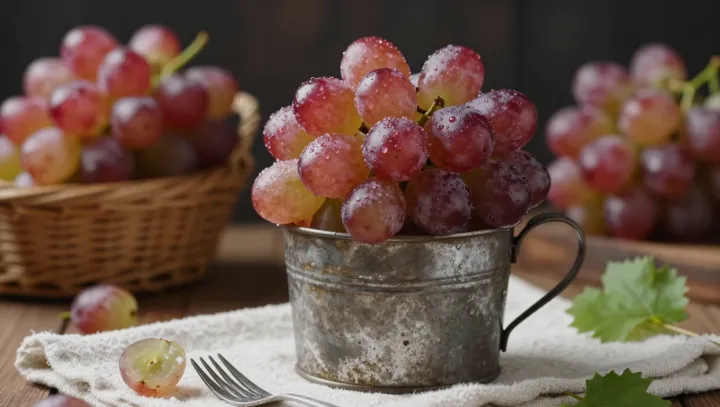
In many markets, grape signals table varieties bred for soft skin, high sugar content and uniform berries, while tizi often refers to local wine or drying cultivars selected for thicker skins and concentrated soluble solids. This division reflects different selection pressures in viticulture and postharvest handling rather than a simple dialect split. Merchants, tax codes and storage practices pushed growers to sort and label clusters according to use, yield and transport resilience.
Over long trade routes, linguistic drift turned those usage tags into separate everyday names. Grape became tied to globalized breeding programs, cold‑chain logistics and standardized sweetness, an agricultural version of a controlled vocabulary. Tizi remained closer to regional germplasm, retaining phenotypic diversity in berry size, tannin content and aroma compounds that matter for sun‑drying or fermentation kinetics. What sounds like two casual labels now works as a rough taxonomy of farming strategy, taste expectation and genetic heritage.