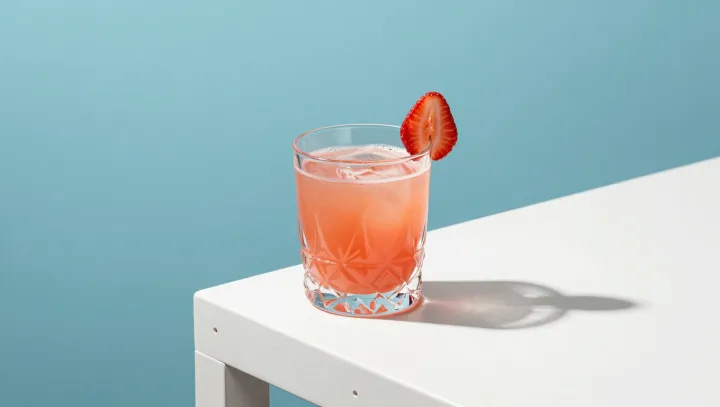
A glass of strawberry juice does more than satisfy a sweet tooth; it operates like a compact antioxidant lab targeting free radicals that can damage DNA. The drink’s vivid color comes from anthocyanins, while its sharp tang reflects a high vitamin C load, all layered over a dense mix of polyphenols in the pulp and seeds.
Inside the bloodstream, vitamin C acts as a primary reducing agent, donating electrons to neutralize reactive oxygen species before they attack cellular membranes or nucleic acids. Polyphenols then add a second line of defense, supporting redox homeostasis and slowing the entropy increase that chronic oxidative stress can drive in tissues. In experimental models, these compounds help maintain DNA integrity by limiting strand breaks and base modifications.
Anthocyanins contribute further by stabilizing radical intermediates through resonance, effectively spreading out the unpaired electron so it becomes less reactive. At the same time, bioactive molecules in the juice modulate endogenous systems such as glutathione peroxidase and superoxide dismutase, enhancing the body’s own antioxidant network rather than working as a stand-alone fix. In that sense, the bright, sweet liquid on the table becomes part of a quieter, molecular negotiation over how quickly cellular damage accumulates.