
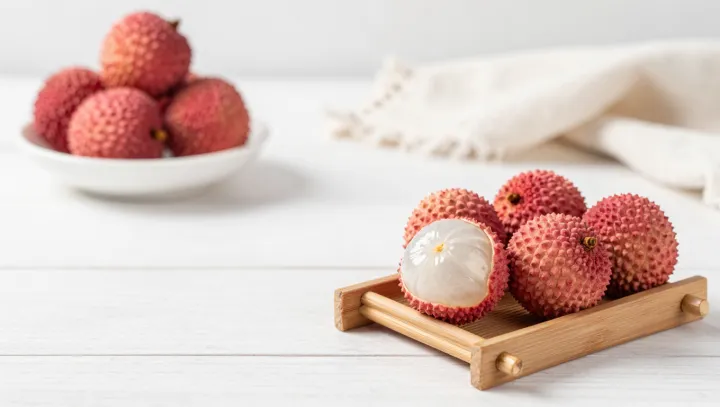
That papery white membrane under lychee’s red shell, usually stripped off with the peel, quietly changes how the fruit behaves in your body. When you eat the flesh together with that thin layer, the sugar surge from lychee becomes slower and flatter instead of a sharp spike.
The membrane is rich in soluble dietary fiber, which forms a viscous gel in the intestinal lumen and delays gastric emptying. This slows glucose absorption through the intestinal epithelium and moderates the postprandial glycemic response, rather than letting free sugars rush into the bloodstream. At the same time, polyphenols and flavonoids in the membrane exert antioxidant and mild anti inflammatory effects, lowering oxidative stress that typically rises with rapid glucose swings.
The folk idea of lychee causing “heatiness” often reflects symptoms linked to abrupt changes in blood glucose and the resulting metabolic load, including shifts in basic metabolic rate and fluid balance. By increasing fiber intake and slightly lowering the fruit’s effective glycemic index, the membrane acts as a small but practical buffer. In everyday terms, keeping that thin layer is a simple way to eat the same fruit with a gentler metabolic impact on the body’s internal equilibrium.