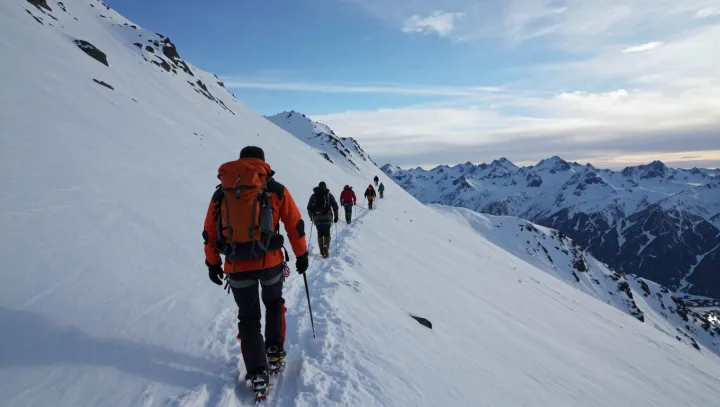
A modest white ridge often carries more risk for an elite mountaineer than a famous summit. Accident reports show a stubborn pattern: a large share of fatal falls, hypothermia cases, and avalanches occur on routes marketed as introductory or non‑technical. The mountain is smaller, but the exposure window is wide, the complacency gap is large, and the safety margins shrink fast when a snow bridge fails or a cornice breaks.
Professionals treat these peaks like Everest because survival is a game of probability, not prestige. Objective hazards such as slab avalanche formation and crevasse fall risk obey the same physics on a low glacier as on the highest ridge. Subjective hazards grow on so‑called beginner terrain: mixed‑ability teams, rental equipment, weak route planning, and poor reading of snowpack stratification. Elite climbers counter that entropy with checklists, redundant belays, and strict turnaround rules even when the summit looks close and harmless.
They also know that human physiology does not grant exemptions for easy guidebooks. Even modest altitude can impair reaction time and judgment while energy reserves drop toward basal metabolic rate limits in cold wind. When weather closes in and visibility collapses, a gentle slope can become a terrain trap with no clear exit. For professionals, the only consistent policy is to run the same disciplined risk protocol on every snowy peak, regardless of size or marketing label.