
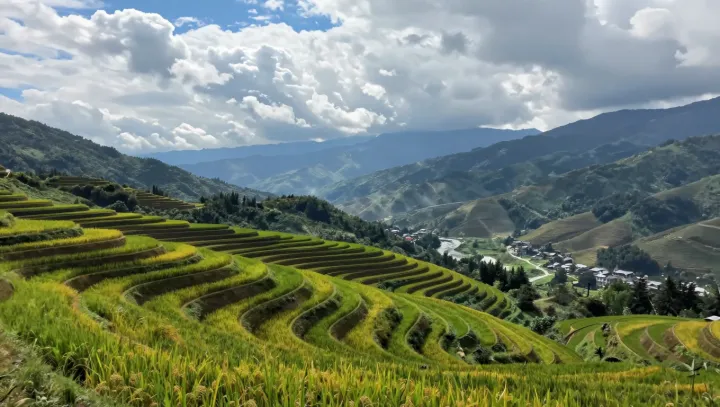
Rust-red sand, emerald limestone spires and a honeycomb of caves now frame the way Vietnam is introduced to the world. Instead of battle maps, global attention fixes on drone footage of dune ridges, subterranean rivers and vertical cliffs that look almost unreal yet sit within a compact strip of territory.
The shift rests on an unlikely alliance between plate tectonics and perception. Vietnam’s coastline rides the edge of a tectonic mosaic that uplifted thick carbonate beds and exposed vast karst, where carbonic acid sculpted pillars, sinkholes and sink-to-sea cave systems over deep geological time. At the same time, domestic planners treated these formations as a scarce asset, using concepts like carrying capacity and marginal utility to turn caves, dunes and archipelagos into geotourism laboratories rather than extractive frontiers.
Selective infrastructure followed the science. New air links, controlled-access trails and protective zoning compressed travel time between cities and remote karst plateaus, while still preserving speleothem growth zones and fragile dune vegetation. International expeditions mapped chambers the size of city blocks; adventure operators packaged them as multi-day expeditions instead of quick photo stops. Social media completed the reframing, replacing images of burning forests with panoramas of limestone corridors and otherworldly skylights. In a single human lifetime, the country’s violent history became a faint foreground to its role as an open-air geology gallery, where deep time is the main exhibit.