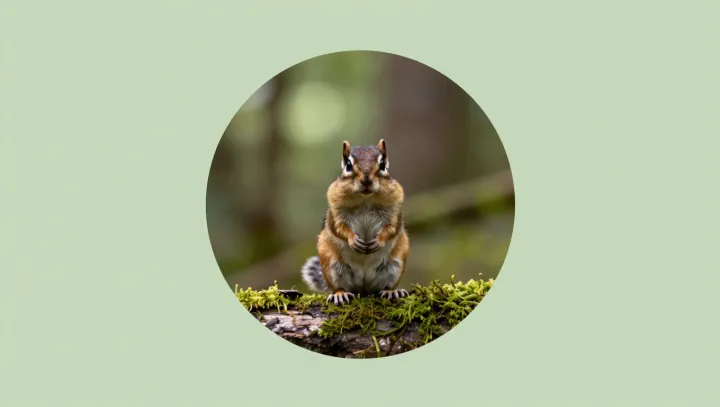
A small rodent in Siberia drops its core temperature to just above the freezing point of water yet avoids turning its tissues into ice. This ground squirrel survives winter by entering a state of deep torpor that slows nearly every process in its body while keeping critical cells intact.
During torpor, the animal reduces its basal metabolic rate to a small fraction of normal, cutting heat production and energy demand. Heartbeat and breathing slow dramatically. Blood flow is rerouted to protect the brain and vital organs, while peripheral tissues tolerate colder conditions. Inside cells, membranes and proteins are stabilized by changes in lipid composition and by cryoprotective molecules such as glucose and small amino acids.
These solutes lower the freezing point of body fluids and limit ice crystal formation, a process central to cryobiology. Water gradually shifts out of cells into spaces where limited ice can form with less damage. Ion channels, synapses and other neuronal structures adjust their activity instead of shutting down completely, preventing catastrophic loss of function. Periodic brief arousals warm the body enough to repair molecular damage, then torpor resumes until external conditions improve.