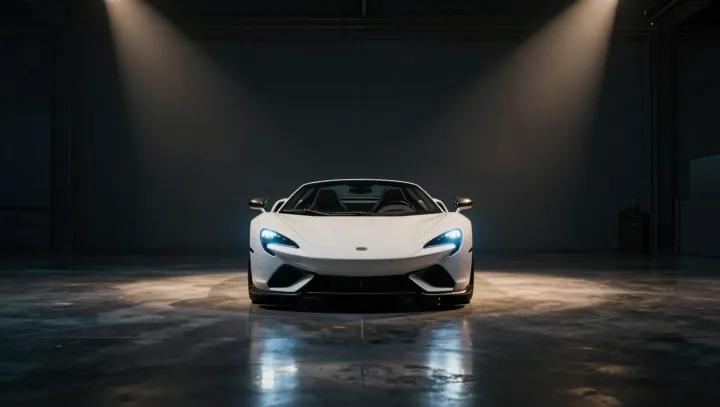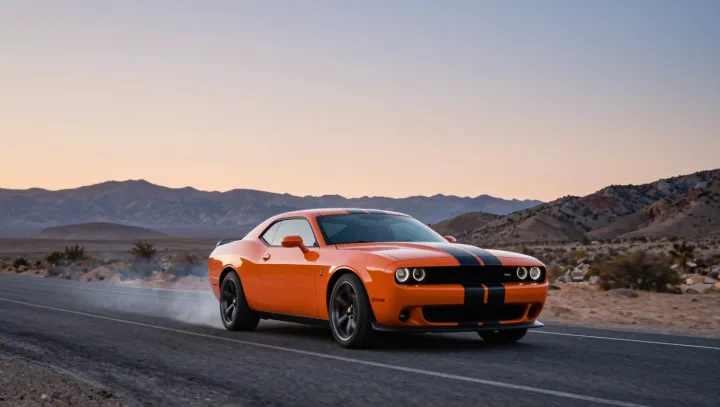
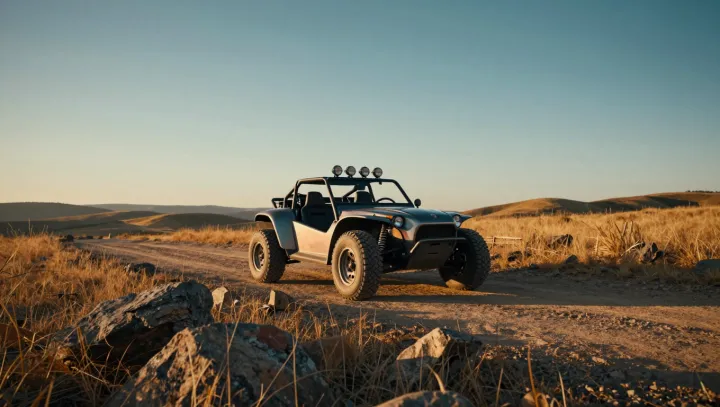
A gravel rooster tail now follows a brand once known for polished leather straps and weekend roadsters. The same CX-Generation bonded-aluminium architecture that underpins its gentleman’s cars has been pushed into a Dakar-inspired off-road prototype, built less as a product and more as an argument about unused structural and dynamic headroom.
The CX-Generation platform, with its torsional rigidity and modular hard points, gave engineers a kind of mechanical entropy budget: instead of fighting flex, they could reallocate tolerance to longer-travel suspension, reinforced control arms and altered roll centers. Wheel articulation, approach angles and underbody protection stopped being aftermarket fantasies and turned into calibration problems in kinematics and compliance. Electronic stability control and traction algorithms, sitting on the same CAN bus as the roadster, were retuned for loose surfaces rather than silk-smooth tarmac.
Aerodynamic drag and mass distribution, once optimized for touring comfort, were recast as variables in a new marginal effect equation: how much extra ride height and tyre sidewall can the chassis accept before steering feel and braking distances compromise the marque’s on-road identity. The prototype’s existence suggests that the platform’s design envelope was always wider than the marketing brief, and that the line between club-lounge grand touring and rally-stage brutality is now drawn more by brand narrative than by engineering constraint.