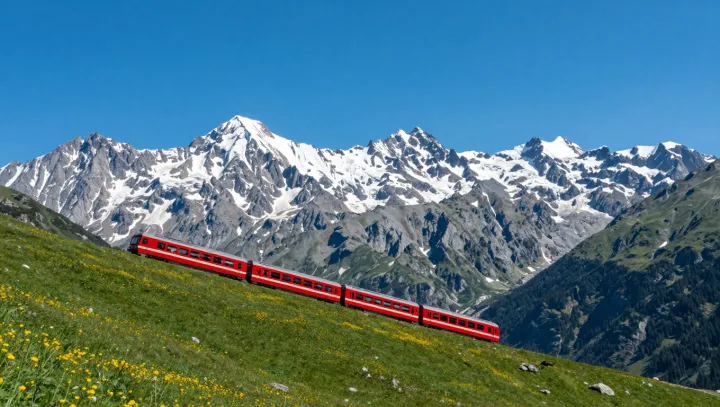
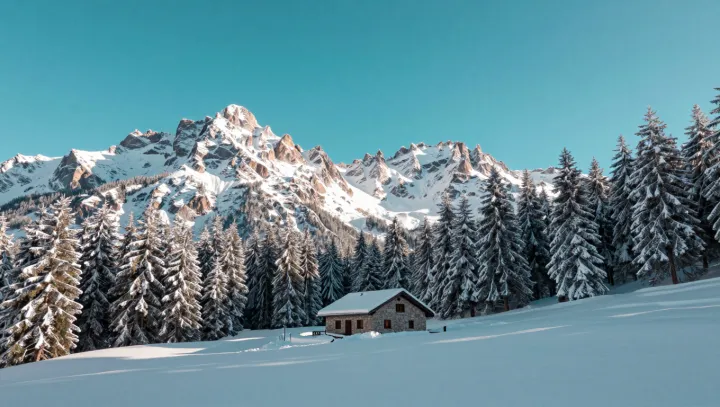
Bare rock above the tree line at Passo Rolle acts as a natural time machine, cutting through the vertical record of an ancient ocean. Trenches and military paths from a former high‑altitude frontline now trace sharp lines across limestone and dolostone that once formed a marine basin. What began as quiet rainout of carbonate mud and shells onto a sea floor is now stacked in cliffs that climbers grip with their hands.
Geologists read these walls as a stratigraphic column, where each band of sedimentary strata preserves fossils, ripple marks and chemical signatures of long‑lost seawater. Concepts like plate tectonics and isostatic uplift explain how a passive continental margin, buried under later deposits, was compressed, folded and pushed skyward into the Dolomites. Erosion then stripped away softer cover, exposing beds that still record changes in sea level, basin subsidence and the entropy increase of weathering in real time.
For researchers, the site functions as a field laboratory, with accessible outcrops that reveal basin geometry, carbonate platform edges and former slope breaks without the need for deep drilling. For climbers and hikers, the same planes of bedding and ancient reef blocks underfoot are a direct contact point with a vanished sea floor, turning each route and trail into a traverse across geological space rather than historical distance.